★★ Join our fixed departure treks, and get discounts! ★★
Nepal Everest Trek
0
Join our fixed departure groups.

Everest Panorama Trek

  • Best price guaranteed
  • No booking fees
  • Book Now, Pay Later
Everest Base Camp Route, Nepal
Days
11
  • Best price guaranteed
  • No booking fees
  • Book Now, Pay Later
Share
Print
Max. Elevation
3,867 m / 12,687 ft
Group size
Min 1+
Transportation
Domestic flight and all ground transportation as per itinerary
Best Season
Mar - May, Sep - Nov
Starts at / Ends at
Kathmandu / Kathmandu
Accomodation
Hotel in Kathmandu and Tea House / Lodge during the trek
Meals
Breakfast in Kathmandu and all meals during the trek

Highlights

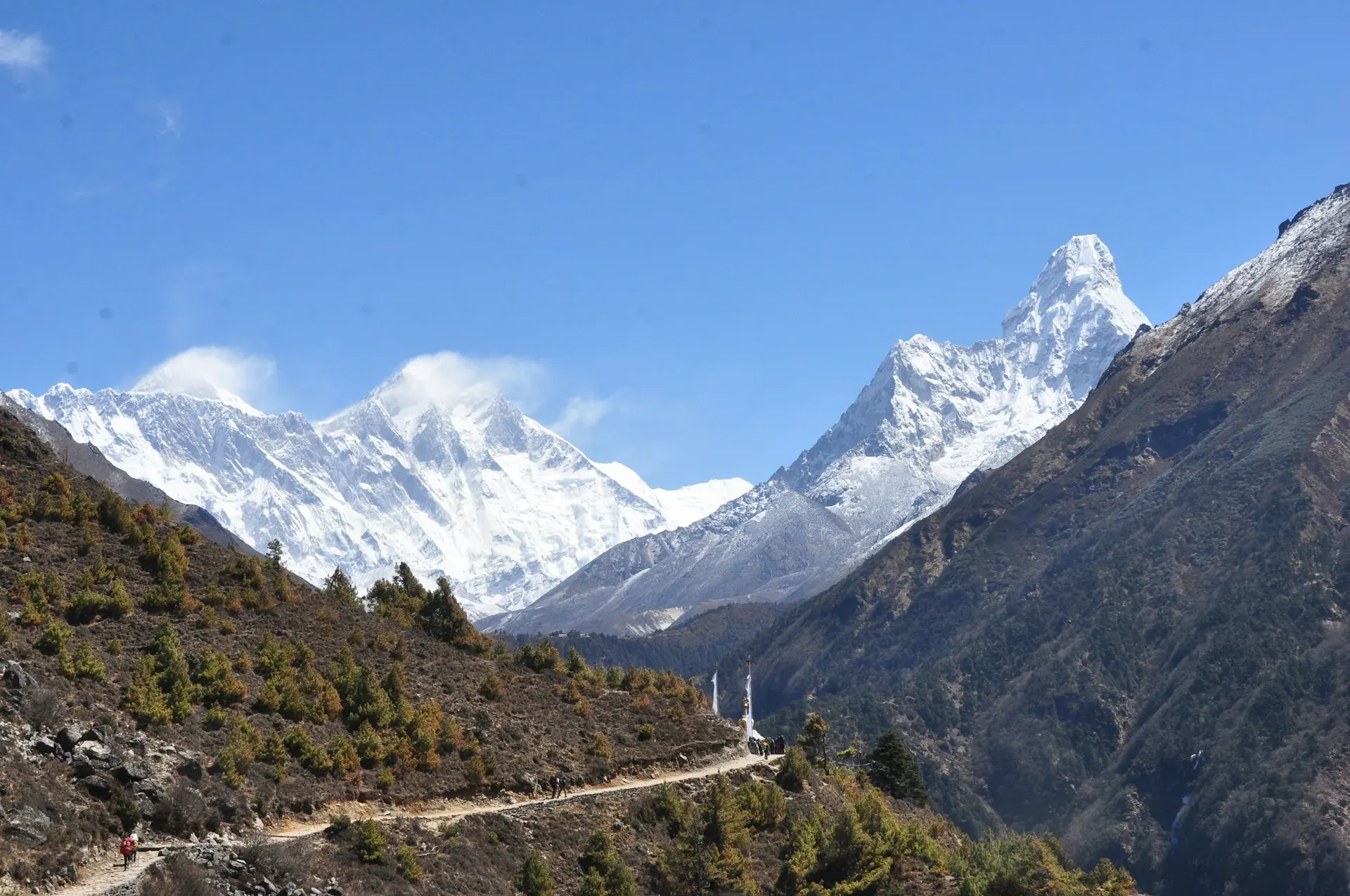
  • Spectacular views of Mount Everest, Lhotse, Nuptse, Ama Dablam, and Thamserku
  • Scenic Kala Patthar viewpoint for sunrise and panoramic mountain vistas
  • Cultural immersion in Sherpa villages like Namche Bazaar and Khumjung
  • Visit to Tengboche Monastery, a spiritual and historical site
  • Trek through rhododendron forests, suspension bridges, and alpine landscapes
  • Short flight from Kathmandu to Lukla, adding adventure and saving travel time
  • Stunning mountain valley and glacier views throughout the trek

Overview

The Everest Panorama Trek, organized by Nepal Everest Trek, is a classic journey that offers breathtaking views of the world’s highest peaks without the extreme challenges of high-altitude expeditions. Starting from Kathmandu, this trek takes you to the Khumbu region, home to iconic landscapes, Sherpa culture, and serene monasteries. You will fly into Lukla, the gateway to Everest, and trek through picturesque villages, rhododendron forests, suspension bridges, and glacial valleys. Unlike longer treks like the Everest Base Camp trek, the Panorama Trek focuses on providing magnificent mountain views with moderate walking days, making it suitable for first-time trekkers and those with limited time.

One of the highlights of this trek is the majestic view of Mount Everest from Kala Patthar (5,545m), alongside other peaks like Ama Dablam, Nuptse, Lhotse, and Thamserku. The trek also immerses travelers in Sherpa traditions and Buddhist culture through visits to Tengboche Monastery and Khumjung Village. Each day presents a blend of adventure, culture, and natural beauty, making it a perfect balance for travelers seeking the Himalayas’ essence without intense physical strain.

  • Trek duration: 11 days
  • Maximum altitude: Kala Patthar, 5,545m
  • Focus: Scenic mountain views & Sherpa culture
  • Suitable for: Beginners and moderate trekkers

Best Season for Everest Panorama Trek

The Everest Panorama Trek can be undertaken in both spring (March–May) and autumn (September–November), which are considered the best seasons for trekking in Nepal. During spring, the valleys bloom with rhododendrons and other wildflowers, creating vibrant landscapes. The weather is generally clear and moderate, making it ideal for photography and enjoying the views of Everest and neighboring peaks. Autumn offers crisp, clear skies and stable weather conditions, providing excellent visibility of the Himalayan range and cool temperatures for trekking.

Winter (December–February) is possible but cold, and snow can block some trails, while the monsoon season (June–August) brings heavy rainfall, slippery paths, and limited visibility. Choosing the optimal season enhances both safety and enjoyment, ensuring memorable panoramas and cultural experiences. Travelers from Nepal Everest Trek often prefer spring or autumn for a perfect balance of scenery, comfortable temperatures, and accessibility to villages and monasteries.

Short points:

  • Spring: March–May, blooming rhododendrons, moderate weather
  • Autumn: September–November, clear skies, excellent visibility
  • Winter: Cold, fewer crowds, possible snow
  • Monsoon: June–August, heavy rain, slippery trails

Everest Panorama Trek Difficulty and Transportation

The trek is considered moderate in difficulty, making it suitable for trekkers with basic fitness. While the walking hours range from 4–6 hours daily, the main challenge is gradual altitude gain. Acclimatization days, like the one in Namche Bazaar, help prevent altitude sickness. The trails are well-trodden but include steep ascents, stone paths, and suspension bridges, providing a safe yet adventurous trekking experience.

Transportation for the trek starts with a short domestic flight from Kathmandu to Lukla, renowned for its thrilling runway surrounded by snow-capped peaks. After the trek, you fly back to Kathmandu, saving time and avoiding long road travel. Local teahouses and porters often accompany trekkers, ensuring comfort and safety throughout the journey. Nepal Everest Trek ensures all logistics, including flights, permits, and ground transportation, are arranged professionally for a hassle-free adventure.

Short points:

  • Trek difficulty: Moderate
  • Daily trekking: 4–6 hours
  • Maximum altitude: 5,545m (Kala Patthar)
  • Transportation: Kathmandu-Lukla flight, return flight

Food and Accommodation for Everest Panorama Trek

During the trek, meals are usually provided in teahouses, offering authentic Nepali, Tibetan, and Western cuisine. Breakfast often includes porridge, eggs, or pancakes; lunch may be dal bhat (rice & lentils), noodles, or soups; and dinner includes hearty dishes to restore energy after trekking. Drinking water should be purified or bottled, as high-altitude streams may not be safe. Nepal Everest Trek recommends carrying some energy snacks, such as nuts and chocolate, for long trekking days.

Accommodation along the route is mainly in teahouses or lodges, providing simple rooms with basic bedding. Hot showers are limited and sometimes available for a small extra fee. Namche Bazaar and Tengboche offer slightly better facilities, while remote villages provide cozy, rustic lodging. Staying in local teahouses allows trekkers to experience Sherpa hospitality and culture firsthand, making each overnight stop a unique and immersive experience.

Short points:

  • Meals: Nepali, Tibetan, and Western dishes
  • Accommodation: Teahouses/lodges
  • Facilities: Basic, sometimes hot showers
  • Tips: Carry snacks and water purifier

Everest Panorama Trek Permits

To trek in the Everest region, you need two key permits: Sagarmatha National Park Entry Permit and TIMS (Trekkers’ Information Management System) Card. The Sagarmatha National Park permit protects the region’s natural and cultural heritage, while TIMS ensures trekkers’ safety and tracking in case of emergencies. Both permits are easily arranged through Nepal Everest Trek, which handles documentation, fees, and updates to ensure compliance with local regulations.

Permits also ensure access to teahouses, trekking trails, and mountain viewpoints. Carrying these permits at all times is mandatory, as park authorities may check them at various points during the trek. By managing these permits for trekkers, Nepal Everest Trek minimizes stress and allows adventurers to focus entirely on enjoying the Himalayas.

Short points:

  • Required permits: Sagarmatha National Park & TIMS
  • Purpose: Conservation, safety, trail access
  • Managed by: Nepal Everest Trek for convenience

Why Choose Everest Panorama Trek

The Everest Panorama Trek is perfect for anyone seeking breathtaking Himalayan views without extreme altitude challenges. Unlike longer expeditions, it offers a condensed but complete experience of the Khumbu region, making it ideal for travelers with limited time. With moderate trekking days, scenic flights, cultural immersion, and acclimatization breaks, this trek balances adventure and comfort perfectly.

Choosing Nepal Everest Trek ensures professional guidance, organized logistics, and reliable support from start to finish. Experienced guides accompany trekkers, handling accommodation, meals, permits, and emergencies. The company also focuses on eco-friendly practices, supporting local communities and preserving the environment. With safety, comfort, and unforgettable scenery as priorities, the Everest Panorama Trek is an excellent introduction to the Himalayas.

Short points:

  • Suitable for beginners & moderate trekkers
  • Highlights: Everest views, Sherpa culture, monasteries
  • Organized by: Nepal Everest Trek for professional guidance
  • Focus: Safety, comfort, and scenic adventure

Trip Itinerary

Upon your arrival at Tribhuvan International Airport in Kathmandu, you will be warmly welcomed by a representative from Nepal Everest Trek and transferred to your hotel in the heart of the city. After settling in, you can take some time to relax and refresh after your flight. In the evening, there will be a briefing about the trek, including detailed information on trekking preparations, safety measures, and the journey ahead. Dinner can be enjoyed at a local restaurant, giving your first taste of authentic Nepali cuisine.
Today, you will explore the cultural and historical richness of Kathmandu. The sightseeing tour includes visits to iconic sites such as Pashupatinath Temple, the holiest Hindu temple in Nepal, and Boudhanath Stupa, one of the largest stupas in the world. You will also explore Kathmandu Durbar Square, famous for its ancient palaces, courtyards, and temples. A professional guide from Nepal Everest Trek will provide insights into the local traditions, history, and architecture. The day concludes with some leisure time to shop for souvenirs or enjoy a peaceful evening in the vibrant city.
After an early breakfast, you will take a scenic mountain flight from Kathmandu to Lukla, enjoying breathtaking aerial views of the Himalayas. From Lukla, the trek begins on a gradual trail that descends slightly towards the Dudh Koshi River. The trail passes through charming villages, mani walls, and suspension bridges, offering a glimpse of Sherpa culture. After approximately four hours of trekking, you will arrive in Phakding, a small village with stunning mountain views. Here, you will rest in a teahouse, acclimatize, and enjoy your first night in the Everest region.
The journey today becomes more challenging as you follow the trail along the Dudh Koshi River, passing through lush pine forests and picturesque villages. You will cross several suspension bridges, each offering spectacular views of the rushing river below. The ascent to Namche Bazaar, the main trading hub of the Khumbu region, is steep but rewarding. Namche Bazaar is bustling with shops, cafes, and markets where trekkers can stock up on supplies. Upon arrival, you will check into a cozy teahouse, explore the town, and prepare for acclimatization.
To adjust to the high altitude, today is dedicated to acclimatization. You will embark on a scenic hike to the nearby hills or Everest View Hotel, where panoramic views of Mount Everest, Lhotse, and Ama Dablam unfold. This day allows your body to adapt to the higher elevation while offering stunning photo opportunities. You can also visit the Sherpa Culture Museum and local monasteries, gaining deeper insight into the lifestyle and traditions of the Himalayan people. In the evening, you return to Namche Bazaar for a relaxed dinner and rest.
Leaving Namche Bazaar, the trail gradually ascends through rhododendron forests and open landscapes. Along the way, you will enjoy stunning views of Thamserku and Ama Dablam. Reaching Tengboche Monastery, the largest gompa in the Khumbu region, is a spiritual highlight of the trek. The monastery overlooks a valley framed by snow-capped peaks, making it an ideal place for reflection and photography. Here, you will stay overnight in a teahouse near the monastery, experiencing the serene atmosphere and interacting with local monks while learning about their ancient practices.
Today, the trek continues to Khumjung Village, a traditional Sherpa settlement famous for its scenic surroundings and vibrant culture. The trail passes through forests and terraced fields, with opportunities to spot yaks grazing and local farmers tending their land. Khumjung is also home to a school and the Khumjung Monastery, where a purported yeti scalp is preserved. Staying overnight in this village allows trekkers to experience authentic Sherpa life, interact with friendly locals, and enjoy the magnificent backdrop of Everest, Ama Dablam, and other Himalayan peaks.
Today marks the beginning of the descent back towards Lukla. The trail retraces the path through Namche Bazaar, offering more chances to soak in the views and perhaps visit shops missed earlier. You will continue down through pine forests and suspension bridges, eventually reaching Monjo, a gateway village to the Sagarmatha National Park. Along the way, enjoy the tranquility of the forested valleys and the rushing Dudh Koshi River. Monjo provides comfortable teahouses for overnight stays, allowing trekkers to rest and reflect on the incredible experiences of the Everest region.
The final day of trekking takes you through familiar trails back to Lukla. The descent is steady, passing through small villages, traditional chortens, and prayer wheels that line the trail. This is a reflective day to savor the landscapes, interact with fellow trekkers, and enjoy the last panoramic mountain views. Upon arrival in Lukla, you will check into a teahouse, celebrate the completion of your trek, and enjoy a hearty dinner while reminiscing about the journey and the stunning Himalayan scenery experienced along the way.
After breakfast, you will board a scenic flight back to Kathmandu. The flight provides an incredible aerial view of the Himalayas, including Everest, Lhotse, and other towering peaks. Upon arrival, a Nepal Everest Trek representative will transfer you to your hotel. The rest of the day can be spent exploring the vibrant streets of Thamel, shopping for souvenirs, or enjoying a traditional Nepali dinner. This is the perfect opportunity to relax and reflect on your trekking adventure, sharing stories and photographs with fellow travelers.
On the final day, after breakfast, you will be transferred to Tribhuvan International Airport for your onward flight. Depending on your flight schedule, there may be time for a brief stroll or last-minute shopping in Kathmandu. Your journey concludes with memories of stunning Himalayan landscapes, Sherpa culture, and the unique experiences of the Everest Panorama Trek. Nepal Everest Trek ensures a smooth departure, leaving you with an unforgettable adventure and the desire to return to Nepal’s majestic mountains.
Not satisfied with this itinerary? Make your own.
Plan My Trip

Includes

  • Airport pick-up and drop-off in Kathmandu
  • Domestic flight and all ground transportation as per itinerary
  • Kathmandu hotel accommodation (as per itinerary)
  • All permits and trekking fees (Sagarmatha National Park, TIMS)
  • Experienced English-speaking trekking guide and porter
  • Teahouse/lodge accommodation during trek
  • Meals during trekking (breakfast, lunch, and dinner)
  • First aid medical kit
  • Welcome and farewell dinners

Doesn't Include

  • International airfare to/from Kathmandu
  • Visa fees for Nepal entry
  • Travel and rescue insurance (highly recommended)
  • Personal trekking gear and equipment
  • Meals in Kathmandu (except welcome and farewell dinners)
  • Extra accommodation and meals outside the itinerary
  • Tips for guides and porters
  • Personal expenses (water, snacks, drinks, internet)
Why Book with Us?
  • Excellent customer service. Our travel experts are ready to help you 24/7.
  • Best price guaranteed.
  • No credit card or booking fees.
  • 100% financial protection.
  • Environmentally-friendly tours.

Packing List

Clothing

  • Thermal underwear (top and bottom)
  • Moisture-wicking t-shirts (long-sleeved)
  • Moisture-wicking underwear
  • Fleece jacket or pullover
  • Insulated down or synthetic jacket
  • Waterproof, windproof jacket (Gore-Tex or similar)
  • Waterproof, windproof pants (Gore-Tex or similar)
  • Warm beanie or hat
  • Sun hat or cap
  • Neck gaiter or scarf
  • Trekking pants (convertible preferred)
  • Waterproof trousers

Handwear

  • Lightweight gloves (inner)
  • Insulated gloves or mittens (outer)

Footwear

  • Hiking boots (broken in and waterproof)
  • Comfortable camp shoes (e.g., sneakers or sandals)

Gear

  • Trekking backpack (30-40 liters) with waterproof cover
  • Sleeping bag (rated for cold temperatures)
  • Sleeping pad or mattress (insulated)
  • Adjustable trekking poles
  • Insulated water bottles or hydration bladder (2 liters capacity)
  • Travel-sized toiletries
  • Biodegradable soap
  • Quick-dry towel
  • Medications for altitude sickness, pain relief, and common ailments
  • Sun protection cream, wet wipes, and hand sanitizer

Miscellaneous

  • Camera and batteries
  • Notebook and pen
  • Earplugs (for sleeping in lodges)
  • Portable solar charger
  • Headlamp, power bank, and extra batteries

Frequently Asked Questions

General & Essential Info

The Everest Panorama Trek is considered a moderate-level trek, suitable for individuals with basic fitness and prior trekking experience. While it does not require technical climbing skills, trekkers should be prepared for long walking days, steep ascents, and varying weather conditions. Altitude acclimatization is crucial, and Nepal Everest Trek ensures proper rest days to prevent altitude sickness. The trek provides a gradual ascent, scenic trails, and visits to cultural villages, making it accessible for adventure enthusiasts seeking breathtaking Himalayan panoramas without extreme challenges.

Physical preparation is essential for a comfortable trekking experience. Recommended training includes regular cardio exercises such as jogging, cycling, or swimming to improve stamina, as well as strength training for legs and core muscles. Practicing uphill walking with a weighted backpack can also be beneficial. Nepal Everest Trek provides a pre-trek fitness guide, emphasizing the importance of gradual training to prevent fatigue and ensure enjoyment during long walking days at higher altitudes. Adequate preparation helps minimize the risk of altitude sickness.

Yes, altitude sickness can occur above 2,500 meters, and since the trek reaches elevations above 3,800 meters, it is a real concern. Symptoms include headache, nausea, dizziness, and shortness of breath. Nepal Everest Trek emphasizes proper acclimatization, gradual ascent, hydration, and rest days to minimize the risk. Guides are trained to recognize early symptoms and can take necessary actions, including descending if required. Following medical advice and listening to your body are essential for a safe and enjoyable trekking experience.

Connectivity in the Everest region is limited. Mobile networks are available in larger villages like Namche Bazaar, Tengboche, and Lukla, but coverage is often weak and intermittent. Internet access is available in some teahouses for a fee, usually via Wi-Fi dongles or satellite connections. Nepal Everest Trek advises not to rely on constant connectivity and to focus on the trekking experience. However, these limited connections are sufficient for occasional updates to family or friends, and for basic communication during emergencies.

Yes, the Everest Panorama Trek can be customized to suit your schedule, fitness level, or interests. Nepal Everest Trek can extend the trek to include Gokyo Lakes, Everest Base Camp, or additional cultural villages. It’s also possible to adjust pace, include extra acclimatization days, or add sightseeing in Kathmandu before or after the trek. Customization ensures that trekkers have a personalized adventure, maximizing enjoyment while accommodating health, fitness, and sightseeing goals in the beautiful Everest region.

Weather & Seasons

The ideal time for the Everest Panorama Trek is during the pre-monsoon (March to May) and post-monsoon (September to November) seasons. These months offer clear skies, stable weather, and excellent visibility of the Himalayan peaks, including Everest, Ama Dablam, and Lhotse. During the monsoon season, trails can be slippery and prone to landslides, while winter months bring heavy snow and freezing temperatures. Nepal Everest Trek can advise on the best season based on your preferences, fitness, and photography goals.

Permits, Costs & Booking

Yes, trekking in the Everest region requires specific permits. These include the Sagarmatha National Park Entry Permit and the Khumbu Region TIMS Card (Trekkers’ Information Management System). Permits are strictly regulated, and Nepal Everest Trek arranges them on your behalf to ensure smooth travel through protected areas. Carrying valid identification, such as a passport, is necessary for permit processing. These permits not only allow legal trekking but also contribute to the conservation of natural and cultural heritage in the Everest region.

Accommodation & Meals

Trekking in the Everest region primarily involves staying in teahouses, which are small lodges run by local families. These provide basic amenities such as beds, blankets, hot showers (at an extra cost), and meals. While the facilities are simple, they offer a warm, homely experience and an opportunity to interact with Sherpa culture. Nepal Everest Trek carefully selects teahouses with comfortable, hygienic conditions to ensure your comfort, making sure each night’s stay is safe and welcoming despite the remote mountainous environment.

Most meals during the trek are served in teahouses and typically include traditional Nepali dishes such as dal bhat (rice and lentil soup), noodles, soups, and bread. Western-style meals are also available in larger villages like Namche Bazaar. Nepal Everest Trek ensures that trekkers receive sufficient calories to meet energy needs, especially during high-altitude days. Vegetarians can easily find options, while vegan and special dietary needs should be communicated in advance so arrangements can be made to accommodate your requirements throughout the trek.

Preparation & Equipment

Packing the right gear is crucial for comfort and safety. Essentials include layered clothing for fluctuating temperatures, trekking boots, thermal wear, a waterproof jacket, gloves, hats, trekking poles, and a quality backpack. Additional items include a water bottle, personal medications, sunscreen, and a headlamp. Nepal Everest Trek provides a detailed packing list before the trek, ensuring trekkers are well-prepared for high-altitude conditions, cold nights, and long walking days. Proper gear ensures safety, warmth, and maximum enjoyment throughout the journey.
Similar Trips

Everest Base Camp Trek
Difficulty: Moderate
Trending
Trekking in Nepal
5.0
(1)
Everest Base Camp Trek - 15 days
From US$ 1,545
US$ 1,440 Save US$ 105
No of people Price per person
1 - 1 $1,545
2 - 4 $1,440
5 - 9 $1,425
10 - 15 $1,410
Explore
Gokyo Lake Trek
Difficulty: Moderate

Join our Newsletter

Sign up to stay updated with latest offers, recent events and more news.
Art representing various natural and cultutal heritages of Nepal
Plan my Trip Whatsapp Book Now
We use cookies to enhance your experience on our website. By continuing to browse, you agree to our use of cookies.