
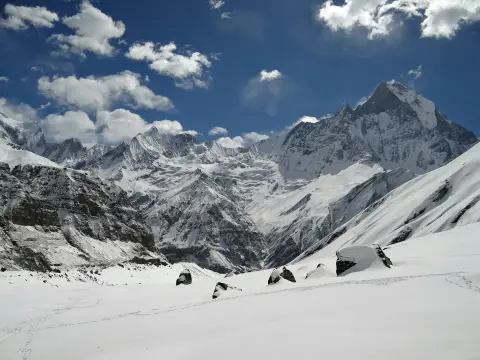
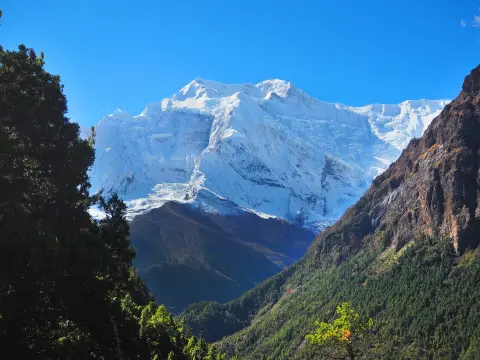
The Mardi Himal Trek is one of Nepal’s most scenic and less-crowded trekking routes, located in the Annapurna region. This trek is ideal for travelers who want to experience high Himalayan landscapes, traditional villages, and dramatic mountain views without the heavy crowds found on classic routes like Annapurna Base Camp. Starting from Kathmandu and Pokhara, the trek gradually ascends through lush forests, alpine meadows, and high ridgelines, offering breathtaking views of Machhapuchhre (Fishtail), Annapurna South, Hiunchuli, and Mardi Himal.
The itinerary is carefully designed to allow proper acclimatization while covering major highlights such as Australian Camp, Forest Camp, High Camp, and Mardi View Point (4,500m). The sunrise view from Mardi View Point is one of the most rewarding moments of the trek, with golden light illuminating the snow-covered peaks. The descent through Sidding village adds a cultural touch, showcasing rural Nepali life before returning to Pokhara.
The best seasons for the Mardi Himal Trek are spring (March–May) and autumn (September–November). During spring, the trail is decorated with blooming rhododendrons, colorful wildflowers, and clear mountain views. Temperatures are moderate, making trekking comfortable during the day, while nights remain cool at higher elevations.
Autumn is the most popular trekking season due to stable weather and excellent visibility. After the monsoon rains, the skies are clear, and the mountain views are at their sharpest. This season also coincides with major Nepali festivals like Dashain and Tihar, allowing trekkers to experience local culture along the way.
Winter trekking is possible but colder, especially at High Camp, while monsoon season brings rain and cloudy views.
Best Time Summary:
The Mardi Himal Trek is considered a moderate-level trek, suitable for trekkers with basic fitness and some hiking experience. Daily walking hours range from 4 to 6 hours, with gradual ascents and well-defined trails. The most challenging part is the hike to Mardi View Point (4,500m) due to altitude, but the trail does not require technical climbing skills.
Transportation is well-managed throughout the journey. The trek begins with a scenic drive from Kathmandu to Pokhara, followed by a short drive to Kande, the trekking starting point. After completing the trek at Sidding, you will return to Pokhara by vehicle and later drive back to Kathmandu.
Difficulty & Transport Notes:
Accommodation during the Mardi Himal Trek is primarily in local teahouses, which are simple, clean, and welcoming. Rooms are usually twin-sharing with basic bedding. As you gain altitude, facilities become more basic, but the warmth and hospitality remain consistent. Dining areas are heated in higher camps, providing comfort during cold evenings.
Meals are freshly prepared and offer both Nepali and international options. Common meals include dal bhat, noodles, rice, pasta, soups, and pancakes. Dal bhat is highly recommended as it is nutritious and often comes with unlimited refills, ideal for trekkers.
Food & Stay Highlights:
To trek in the Mardi Himal region, trekkers must obtain two official permits. These permits are required to ensure safety, environmental protection, and proper trekking management. Nepal Everest Trek arranges all permits in advance, allowing you to focus on enjoying your journey.
The required permits include the Annapurna Conservation Area Permit (ACAP) and the TIMS (Trekkers’ Information Management System) card. These permits help authorities track trekkers and support conservation efforts in the region.
Required Permits:
Choosing the Mardi Himal Trek with Nepal Everest Trek ensures a safe, well-organized, and memorable Himalayan experience. The company provides experienced local guides, flexible itineraries, and personalized services to match your fitness level and travel preferences. Safety, comfort, and customer satisfaction are top priorities.
Nepal Everest Trek also supports responsible tourism by working with local communities and promoting eco-friendly trekking practices. With reliable transportation, quality accommodation planning, and professional support, your trek becomes stress-free and enjoyable from arrival to departure.
Why Trek With Us:
Clothing
Handwear
Footwear
Gear
Miscellaneous
The Mardi Himal Trek is a relatively short and less crowded trekking route located in the Annapurna region of Nepal. It offers spectacular close-up views of Mardi Himal, Machhapuchhre (Fishtail), Annapurna South, and Hiunchuli. This trek is ideal for travelers who want to experience high Himalayan scenery without the heavy crowds of more popular routes like Annapurna Base Camp. With Nepal Everest Trek, you gain experienced local guides, well-planned itineraries, and a strong focus on safety and comfort, making the journey enjoyable and culturally enriching from start to finish.
The Mardi Himal Trek is considered a moderate-level trek, suitable for trekkers with reasonable fitness. Daily walking hours range from five to six hours on varied terrain, including forest trails, ridges, and gradual ascents. Although technical climbing skills are not required, the trek reaches an altitude of around 4,500 meters, so altitude awareness is important. Nepal Everest Trek ensures proper acclimatization, a steady pace, and professional guidance to minimize risks. With basic preparation and a positive mindset, even first-time trekkers can successfully complete this adventure.
Previous trekking experience is helpful but not mandatory for the Mardi Himal Trek. The route is well-defined, and the daily distances are manageable for individuals with average physical fitness. However, preparation through walking, hiking, or cardio exercises before the trek is strongly recommended. Nepal Everest Trek provides experienced guides who offer constant support, motivation, and safety briefings throughout the journey. First-time trekkers often find this trek to be an excellent introduction to Himalayan trekking due to its moderate difficulty and rewarding scenery.
Altitude sickness can be a concern on any trek above 3,000 meters, including the Mardi Himal Trek. Symptoms may include headaches, nausea, fatigue, or dizziness if ascent is too rapid. Nepal Everest Trek minimizes risks by following gradual ascent schedules, allowing sufficient rest, and closely monitoring trekkers’ health. Guides are trained to recognize early symptoms and respond promptly. Drinking plenty of water, eating well, and walking at a steady pace significantly reduce the risk. With proper guidance, most trekkers complete the trek safely and comfortably.
The best seasons for the Mardi Himal Trek are spring (March to May) and autumn (September to November). During these periods, the weather is generally stable, skies are clear, and mountain views are at their best. Spring offers blooming rhododendron forests, while autumn provides crisp air and excellent visibility. Winter treks are possible but colder, especially at higher elevations, while summer brings monsoon rains that can make trails slippery. Nepal Everest Trek carefully plans departures according to seasonal conditions to ensure the safest and most enjoyable trekking experience.
Accommodation during the Mardi Himal Trek is mainly in local teahouses, which are simple yet comfortable. Rooms typically include twin beds with blankets, while bathrooms are often shared. Higher camps may have more basic facilities due to their remote location. Meals are freshly prepared and include both Nepali and international options. Nepal Everest Trek carefully selects reliable teahouses to ensure cleanliness, warm hospitality, and safety. In Kathmandu and Pokhara, trekkers stay in comfortable hotels, allowing time to relax before and after the trekking journey.
Meals on the Mardi Himal Trek are nutritious and designed to provide energy for trekking at higher altitudes. Common options include dal bhat (rice, lentils, and vegetables), noodles, pasta, soups, eggs, potatoes, and seasonal vegetables. Breakfast usually includes porridge, eggs, bread, or pancakes. Nepal Everest Trek encourages trekkers to eat well and stay hydrated, as proper nutrition plays a key role in altitude adjustment and endurance. Vegetarian options are widely available, and food is freshly prepared at teahouses along the route.
To trek in the Mardi Himal region, trekkers need an Annapurna Conservation Area Permit (ACAP). Previously required trekking cards have been replaced by local regulations, and Nepal Everest Trek handles all necessary permit arrangements on behalf of clients. This ensures a hassle-free experience without bureaucratic stress. Permits help support conservation efforts and local communities. Carrying permits during the trek is mandatory, and guides will manage all checkpoints, allowing trekkers to focus entirely on enjoying the Himalayan scenery and cultural experiences.
Booking the Mardi Himal Trek with Nepal Everest Trek ensures a reliable, ethical, and well-managed trekking experience. The company employs experienced local guides, supports community-based tourism, and prioritizes safety and client satisfaction. From airport transfers to accommodation, permits, and trekking logistics, every detail is professionally handled. Nepal Everest Trek focuses on personalized service, small groups, and authentic cultural encounters, allowing trekkers to enjoy the Himalayas with confidence and peace of mind.
Packing the right gear is essential for a comfortable Mardi Himal Trek. Key items include sturdy trekking boots, warm clothing layers, a down jacket, waterproof jacket, trekking pants, gloves, hats, sunglasses, and sunscreen. A sleeping bag suitable for cold temperatures is recommended, especially at higher camps. Nepal Everest Trek provides detailed packing lists before departure and can assist with renting or purchasing equipment in Kathmandu. Packing wisely ensures protection against changing mountain weather and enhances overall trekking enjoyment.
The Mardi Himal Trek is suitable for solo travelers, couples, families, and small groups. Solo trekkers often choose guided treks for safety and companionship, while groups enjoy shared experiences and camaraderie. Nepal Everest Trek offers both private and group departures, allowing flexibility based on traveler preferences. Trekking with a guide enhances safety, provides local insights, and supports local employment. Whether traveling alone or with friends, trekkers can enjoy a well-organized and memorable adventure with professional support throughout the journey.
| No of people | Price per person |
|---|---|
| 1 - 1 | $1,165 |
| 2 - 4 | $1,055 |
| 5 - 9 | $1,040 |
| 10 - 15 | $1,025 |
| No of people | Price per person |
|---|---|
| 1 - 1 | $1,745 |
| 2 - 4 | $1,605 |
| 5 - 9 | $1,590 |
| 10 - 15 | $1,575 |