
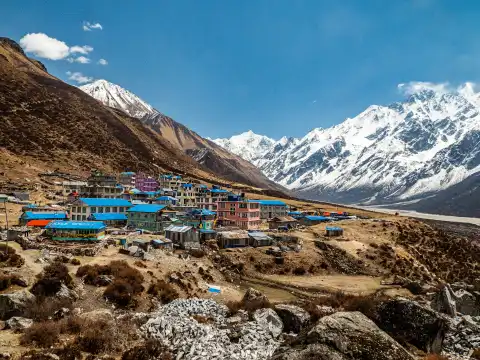
The Langtang Gosaikunda Trek, offered by Nepal Everest Trek, is one of the most scenic and culturally rich trekking routes in Nepal. This trek combines the serene beauty of the Langtang Valley with the spiritual allure of Gosaikunda Lake, a sacred alpine lake for Hindus and Buddhists alike. Covering an altitude range from 1,300m in Kathmandu to over 5,000m at Tserko Ri, the trek offers panoramic views of the Langtang Himalayas, Langtang Lirung, Ganesh Himal, and Gaurishankar peaks. The journey takes trekkers through lush rhododendron forests, cascading waterfalls, and traditional Tamang villages, allowing a glimpse into the local culture and traditions.
The trek typically spans 14 days, starting from Kathmandu and includes driving, moderate trekking, and day hikes. Key highlights include Lama Hotel, Langtang Village, Kyanjin Gompa, Tserko Ri, Sing Gompa, and the pristine Gosaikunda Lake. Kyanjin Gompa, a Tibetan-style monastery, offers insight into local Buddhist culture, while Tserko Ri provides one of the most breathtaking viewpoints in the region. Trekkers also enjoy the tranquil experience of camping or staying in tea houses surrounded by the mountains, making it perfect for those seeking both adventure and serenity.
The best seasons to undertake the Langtang Gosaikunda Trek are spring (March to May) and autumn (September to November). During spring, the rhododendron forests along the trail bloom vibrantly, creating a colorful landscape perfect for photography. Temperatures are mild, and skies are generally clear, offering unobstructed views of the snow-capped peaks. Autumn, on the other hand, provides stable weather conditions, making it ideal for trekking. The clear skies during this season offer some of the most spectacular mountain vistas in Nepal.
Winter and monsoon seasons are less favorable. The monsoon season (June to August) brings heavy rainfall, landslides, and slippery trails, making trekking dangerous. Winter (December to February) presents harsh cold conditions, especially at higher altitudes like Tserko Ri or Gosaikunda Lake, though the trails are less crowded.
Best season advantages:
The Langtang Gosaikunda Trek is categorized as moderate to challenging. Trekkers need a good level of fitness, as the route includes multiple ascents above 4,000m, particularly to Tserko Ri and Gosaikunda Lake. Altitude acclimatization is crucial to prevent sickness, especially since the trek reaches elevations of 5,000m. While the trekking days are not extremely long (5–7 hours), the combination of high altitude, rocky paths, and sometimes icy trails demands careful preparation and stamina.
Transportation to the trailhead is relatively straightforward. The journey begins with a drive from Kathmandu to Syabrubesi (approx. 8 hours), a scenic route passing through small towns and rivers. From Dhunche, the return drive to Kathmandu is smooth and comfortable, often in a private vehicle arranged by Nepal Everest Trek.
Trek Difficulty & Transport Highlights:
Food along the Langtang Gosaikunda Trek is mainly served in tea houses and lodges. Meals include local Nepalese cuisine such as dal bhat (rice and lentils), noodles, momo (dumplings), and porridge. Western dishes like pasta, pizza, and omelets are also available at higher-priced lodges. Staying hydrated is important at high altitudes, and boiled water or water treated with purification tablets is recommended.
Accommodation is comfortable for trekking standards. Most lodges provide heated rooms, blankets, and attached or shared bathrooms. Kyanjin Gompa, being higher in altitude, has basic lodges but provides warm meals and cozy rest areas. Nepal Everest Trek ensures that trekkers stay in reputable lodges, maintaining hygiene and safety standards.
Food & Accommodation Highlights:
To trek in the Langtang and Gosaikunda regions, two main permits are required:
Permits can be obtained in Kathmandu or at the park entrance in Syabrubesi. The fees vary depending on nationality and trekking duration. Carrying a valid passport and extra passport-sized photos is recommended. Nepal Everest Trek assists in arranging all permits, ensuring a smooth start to your adventure.
Permit Highlights:
Choosing the Langtang Gosaikunda Trek with Nepal Everest Trek offers an unforgettable experience combining natural beauty, cultural exploration, and adventure. Unlike other crowded trails in Nepal, this trek offers a more peaceful environment with fewer tourists. You can explore traditional Tamang and Sherpa villages, witness pristine glaciers, and hike to sacred lakes and high viewpoints like Tserko Ri.
The trek is suitable for adventurous travelers seeking a moderate challenge with high-altitude rewards. Nepal Everest Trek provides expert guides, porter support, and comprehensive itineraries to ensure comfort and safety throughout the journey. With their local knowledge, you can immerse yourself in the culture, history, and natural wonders of Langtang and Gosaikunda without logistical hassles.
Reasons to Choose This Trek:
Clothing
Handwear
Footwear
Gear
Miscellaneous
The Langtang Gosaikunda Trek is considered moderate to challenging, suitable for trekkers with reasonable fitness levels. Daily trekking ranges from 4 to 8 hours, with gradual ascents and some steep climbs, especially near Kyanjin Gompa and Gosaikunda Lake. High-altitude hiking requires acclimatization, which is why the itinerary includes gradual climbs and rest days. Those with prior trekking experience will find it manageable, while beginners should train with cardio exercises and long walks. Nepal Everest Trek provides guidance to help trekkers prepare physically before the journey.
Yes, altitude sickness can occur because parts of the trek reach elevations above 4,000 meters, such as Gosaikunda Lake and Tserko Ri. Symptoms include headache, nausea, fatigue, and dizziness. To minimize risk, it is essential to acclimatize gradually, stay hydrated, and avoid overexertion. Nepal Everest Trek ensures the itinerary allows for proper acclimatization, monitors health, and provides guidance on recognizing early signs. In severe cases, trekkers are advised to descend immediately, and arrangements are made for medical evacuation if needed.
While the Langtang Gosaikunda Trek is moderately challenging, beginners with good physical fitness and proper preparation can successfully complete it. The trek includes gradual ascents and ample time for acclimatization, making it accessible to those new to high-altitude trekking. Beginners should train in advance with cardio exercises and practice hiking with a loaded backpack. Nepal Everest Trek ensures support throughout the trek, including guides, porters, and emergency assistance, which increases confidence and safety for first-time trekkers.
Yes, trekkers require official permits for the Langtang Gosaikunda Trek. These include the Langtang National Park Entry Permit and the Trekkers’ Information Management System (TIMS) card. The park permit helps conserve the region’s natural and cultural heritage, while the TIMS card ensures safety tracking of all trekkers. Nepal Everest Trek assists you with all permit arrangements before and during your trek, making the process seamless. Carrying these permits at all times during the trek is mandatory, as park officials frequently check trekkers.
The Langtang Gosaikunda Trek is best undertaken during the spring (March to May) and autumn (September to November) seasons. During these months, the weather is generally stable, skies are clear, and mountain views are spectacular. Spring offers rhododendron blooms, painting the trails with vibrant colors, while autumn provides crisp, clear air and golden valleys. Winter can be very cold and snowy, and monsoon season (June to August) brings heavy rain, slippery trails, and leeches, making trekking more difficult and potentially unsafe.
Accommodation along the Langtang Gosaikunda Trek consists mostly of tea houses and lodges, offering basic but comfortable facilities. Rooms are usually twin or triple sharing with simple bedding. Hot showers may be limited at higher altitudes, but meals are available, including local Nepali cuisine and continental dishes. Staying in these lodges provides an authentic trekking experience, with opportunities to interact with locals and other trekkers. Nepal Everest Trek ensures all accommodations are safe, hygienic, and located strategically along the trekking route.
The trek offers a variety of meals, from traditional Nepali dishes like dal bhat, momo, and vegetable curries to continental options like pasta, noodles, and soups. While the food is nutritious and filling, higher-altitude locations may have limited menus due to supply challenges. Trekkers should maintain a balanced diet to sustain energy levels. Nepal Everest Trek arranges meals at reliable tea houses and lodges, ensuring hygiene and sufficient options, including vegetarian and non-vegetarian choices, for all trekkers.
Hiring a guide and porter is highly recommended for safety, local knowledge, and convenience. Guides from Nepal Everest Trek provide detailed cultural insights, trail navigation, and assistance in case of emergencies. Porters carry luggage, allowing trekkers to travel lighter and enjoy the scenery without strain. While independent trekking is possible, having experienced staff enhances the overall experience, ensures adherence to local regulations, and helps acclimatize effectively, especially in challenging sections of the trail.
The Langtang Gosaikunda Trek is generally safe for experienced and prepared trekkers. Hazards may include altitude sickness, sudden weather changes, slippery trails, and occasional landslides. Nepal Everest Trek prioritizes safety by providing trained guides, monitoring health, arranging quality accommodation, and coordinating emergency support if needed. Following the guides’ advice, proper acclimatization, and responsible trekking practices significantly reduce risks. The region is well-traveled, with tea houses and lodges available, offering both security and comfort throughout the journey.
Packing wisely is crucial for comfort and safety. Essentials include warm clothing for layering, waterproof jackets, trekking boots, gloves, hats, trekking poles, water bottles, sunscreen, and a personal first-aid kit. Nighttime temperatures can drop significantly, so insulated clothing is necessary. Light daypacks for daily essentials and extra batteries or power banks for electronics are recommended. Nepal Everest Trek provides a detailed packing list and advice tailored to the season and trekking conditions, ensuring you are fully prepared for the journey.
| No of people | Price per person |
|---|---|
| 1 - 1 | $805 |
| 2 - 4 | $695 |
| 5 - 9 | $680 |
| 10 - 15 | $665 |