
Ghorepani Poon Hill Trekking is one of the most popular short treks in Nepal, ideal for trekkers who want to experience the Himalayan panorama within a limited time. Organized by Nepal Everest Trek, this trek takes you through charming Gurung and Magar villages, lush rhododendron forests, and terraced farmlands. The journey begins from Nayapul and gradually ascends to Ghorepani, offering stunning natural and cultural diversity along the way.
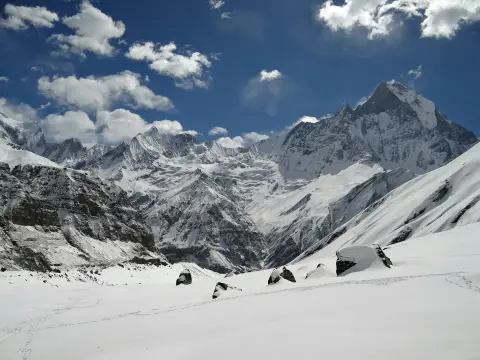
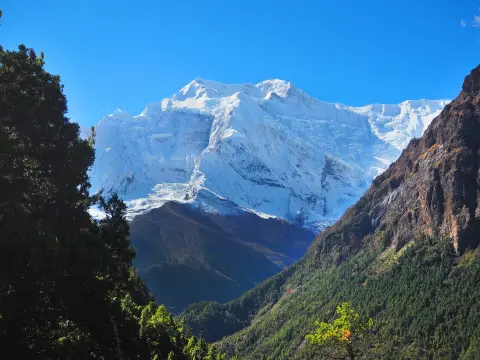
The highlight of the trek is the early morning hike to Poon Hill (3,210m), where trekkers witness a breathtaking sunrise over Annapurna, Dhaulagiri, Machhapuchhre, and Nilgiri ranges. This trek is suitable for families, beginners, and travelers of all ages who want a rewarding Himalayan experience without extreme physical demands.
The best seasons for Ghorepani Poon Hill Trekking are spring (March–May) and autumn (September–November). During spring, the trail is beautifully decorated with blooming rhododendrons, making the trek colorful and lively. The weather is stable, and mountain views are clear, especially in the mornings.
Autumn is another excellent season due to clear skies, pleasant temperatures, and fresh landscapes after the monsoon. Winter treks are possible but colder, while monsoon season brings greenery but limited views due to clouds and rain.
Best Seasons at a Glance:
Ghorepani Poon Hill Trekking is classified as an easy to moderate trek. Daily walking hours range from 4 to 6 hours, with gradual ascents and well-maintained trails. The famous Ulleri stone staircase is challenging but manageable with proper pacing and rest.
Transportation includes comfortable drives from Kathmandu to Pokhara and onward to Nayapul. Nepal Everest Trek ensures safe and reliable transportation, making the journey smooth and enjoyable.
Difficulty & Transport Highlights:
Accommodation during the trek is provided in cozy tea houses that offer basic but comfortable rooms. Most rooms are twin-sharing with shared bathrooms, and blankets are provided. The lodges are run by local families, adding a warm cultural touch to your stay.
Food options are varied, including traditional Nepali dal bhat, noodles, soups, pancakes, and continental meals. Meals are freshly prepared and nutritious, supporting trekkers’ energy needs throughout the journey.
Food & Stay Highlights:
To trek in the Ghorepani Poon Hill region, trekkers need two permits: the Annapurna Conservation Area Permit (ACAP) and a TIMS card. These permits help conserve the region and ensure trekker safety.
Nepal Everest Trek manages all permit arrangements in advance, allowing trekkers to enjoy a hassle-free experience without administrative concerns.
Required Permits:
Choosing Nepal Everest Trek means traveling with a trusted and experienced trekking company in Nepal. The company provides professional guides, personalized service, and strong safety standards throughout the trek.
This trek is perfect for those seeking stunning Himalayan views, cultural immersion, and a short yet rewarding adventure. With Nepal Everest Trek, every detail is carefully planned to ensure comfort, safety, and unforgettable memories.
Why Nepal Everest Trek:
Clothing
Handwear
Footwear
Gear
Miscellaneous
The Ghorepani Poon Hill Trek is one of Nepal’s most popular short trekking routes, known for its stunning Himalayan views, rich cultural experiences, and moderate difficulty level. Organized by Nepal Everest Trek, this trek is ideal for beginners, families, and trekkers with limited time. The highlight is the sunrise view from Poon Hill, offering panoramic sights of Annapurna and Dhaulagiri ranges. The trail passes through beautiful rhododendron forests, traditional villages, and terraced farmland, providing a perfect blend of nature and culture without requiring prior high-altitude trekking experience.
The Ghorepani Poon Hill Trek is considered a moderate trek and is suitable for trekkers with a reasonable level of fitness. While there are no technical climbing sections, the trek does involve daily walking of 4–6 hours and includes long stone staircases, particularly the ascent to Ulleri. Nepal Everest Trek designs the itinerary with gradual ascents and sufficient rest, making it manageable for beginners. Regular walking, light exercise before the trip, and a positive mindset are usually enough to enjoy this trek comfortably.
Previous trekking experience is not required for the Ghorepani Poon Hill Trek. This trek is ideal for first-time trekkers and those new to hiking in the Himalayas. Nepal Everest Trek provides experienced guides who offer support, pace management, and safety guidance throughout the journey. The route stays below extreme altitudes, reducing the risk of altitude-related issues. As long as participants are in good health and comfortable walking several hours a day, they can successfully complete this trek.
Poon Hill is located at an altitude of approximately 3,210 meters, which is relatively low compared to other Himalayan treks. Because of this, altitude sickness is uncommon but not impossible. Nepal Everest Trek designs the itinerary with gradual elevation gain and proper acclimatization to minimize risk. Guides are trained to recognize early symptoms and take appropriate action. Staying hydrated, walking at a steady pace, and following guide instructions help ensure a safe and enjoyable trekking experience.
Choosing Nepal Everest Trek ensures a safe, well-organized, and enjoyable trekking experience. The company is known for professional guides, personalized service, and strong local knowledge of the Annapurna region. Nepal Everest Trek prioritizes client safety, responsible tourism, and cultural respect while offering flexible itineraries and transparent pricing. From airport pickup to final departure, every detail is carefully managed, allowing trekkers to focus on enjoying the natural beauty and cultural richness of the Ghorepani Poon Hill Trek.
The best seasons for the Ghorepani Poon Hill Trek are spring (March to May) and autumn (September to November). During these months, weather conditions are stable, skies are clear, and mountain views are spectacular. Spring is especially beautiful due to blooming rhododendron forests, while autumn offers crisp air and excellent visibility. Nepal Everest Trek also operates the trek in winter and monsoon with proper planning, though views and trail conditions may vary depending on weather.
Accommodation during the Ghorepani Poon Hill Trek is mainly in local teahouses that provide basic but comfortable facilities. When trekking with Nepal Everest Trek, rooms are typically twin-sharing with clean beds, blankets, and shared bathrooms. In lower areas like Pokhara and Kathmandu, hotels are more comfortable and often include private bathrooms. Teahouses offer warm meals, hot drinks, and a cozy atmosphere, allowing trekkers to experience authentic mountain hospitality while remaining safe and well-rested throughout the journey.
During the trek, meals are served at teahouses along the route and include a variety of Nepali and international dishes. Nepal Everest Trek encourages trekkers to enjoy local meals such as dal bhat, which provides excellent energy for trekking. You’ll also find options like noodles, fried rice, soups, potatoes, eggs, and pancakes. In Kathmandu and Pokhara, meals are more diverse with many restaurant choices. Special dietary requirements can usually be accommodated with prior notice to Nepal Everest Trek.
To trek in the Ghorepani Poon Hill region, trekkers need two permits: the Annapurna Conservation Area Permit (ACAP) and a Trekkers’ Information Management System (TIMS) card. When booking with Nepal Everest Trek, all required permits are arranged on your behalf, saving time and hassle. The permits help support conservation efforts and ensure trekker safety. Trekkers only need to provide passport copies and photos, while Nepal Everest Trek handles the rest.
Packing properly is essential for a comfortable trek. Nepal Everest Trek recommends packing layered clothing, including a warm jacket, trekking pants, moisture-wicking shirts, and a rain jacket. Comfortable trekking shoes, a daypack, water bottle, sun protection, and basic toiletries are also important. Nights can be cold, so gloves and a hat are useful. Nepal Everest Trek provides a detailed packing list to help trekkers prepare effectively without carrying unnecessary weight.
| No of people | Price per person |
|---|---|
| 1 - 1 | $1,165 |
| 2 - 4 | $1,055 |
| 5 - 9 | $1,040 |
| 10 - 15 | $1,025 |
| No of people | Price per person |
|---|---|
| 1 - 1 | $1,745 |
| 2 - 4 | $1,605 |
| 5 - 9 | $1,590 |
| 10 - 15 | $1,575 |