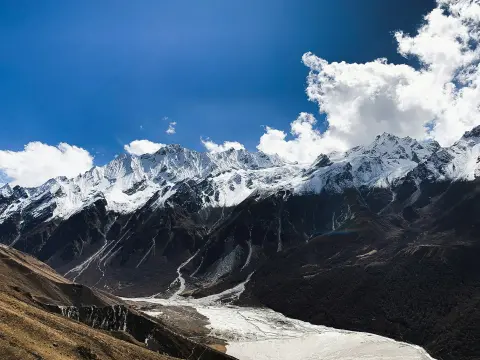
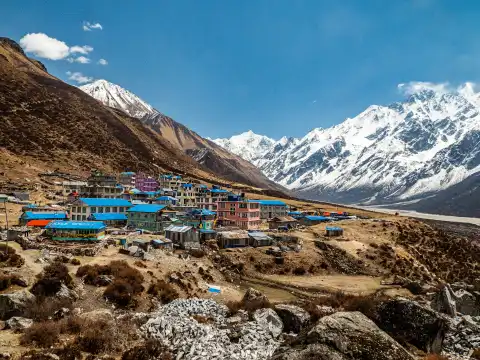
The Langtang Gosaikunda and Helambu Trek is a perfect combination of cultural exploration, natural beauty, and moderate trekking adventure in the Himalayan region of Nepal. This trek takes travelers through lush green forests, pristine rivers, traditional Tamang and Sherpa villages, high mountain passes, and sacred alpine lakes. The trek is known for its panoramic views of Langtang Lirung, Ganesh Himal, and other surrounding peaks, as well as the spiritual significance of Gosaikunda Lake, which is considered sacred by both Hindus and Buddhists. The trek also provides a blend of adventure and cultural immersion, as trekkers get the opportunity to interact with local communities, experience traditional customs, and explore monasteries, mani walls, and ancient trails.
One of the unique aspects of this trek is its combination of three different regions. Langtang is famous for its rugged mountain landscapes and remote villages, Gosaikunda offers breathtaking high-altitude lakes and glacial landscapes, and Helambu is renowned for its scenic valleys, rhododendron forests, and charming villages. This trek is ideal for travelers who want a moderate trek with varied landscapes that include river gorges, alpine lakes, mountain passes, and cultural villages—all within a single itinerary.
Nepal Everest Trek ensures that the entire journey is well-organized, including permits, local guides, porters, accommodation, and transportation, making this an accessible yet adventurous Himalayan experience.
The best time to trek Langtang, Gosaikunda, and Helambu is during the autumn (September to November) and spring (March to May) seasons. These periods are considered ideal because the weather is generally clear, the mountain views are spectacular, and the temperatures are moderate. Autumn is particularly popular because the skies are clear after the monsoon, offering unmatched visibility of the Himalayan peaks, and the trails are vibrant with greenery and blooming flora. Spring is another excellent season as the rhododendrons and other alpine flowers are in full bloom, transforming the forested trails into a kaleidoscope of colors.
Winter (December to February) can be cold, especially at higher altitudes like Gosaikunda Lake and Laurebina Pass, with the possibility of snow making the trek more challenging but visually rewarding for snow-covered landscapes. Summer or monsoon season (June to August) is generally not recommended due to heavy rainfall, slippery trails, and the increased risk of landslides, though some travelers still prefer this season for fewer crowds and lush scenery.
Season Highlights:
Nepal Everest Trek customizes itineraries according to the season, ensuring trekkers enjoy the best weather conditions and avoid crowded trails, while also providing safety tips for high-altitude trekking during winter months.
The Langtang Gosaikunda and Helambu Trek is categorized as a moderate to challenging trek, suitable for those with a good level of fitness but not necessarily prior trekking experience. The trek involves gradual ascents and descents, with the most challenging sections being the crossing of Laurebina Pass (4,700m) and the approach to Gosaikunda Lake (4,380m). Trekkers must be prepared for a variety of terrains, including forested trails, river crossings, stone paths, and some steep climbs. While the trek is physically demanding, proper acclimatization days, such as the one at Kyangin Gompa, are built into the itinerary to reduce the risk of altitude sickness.
Transportation for this trek typically starts from Kathmandu, where trekkers are picked up by private vehicles. The drive to Syabrubesi, the starting point of the trek, takes approximately 7 to 8 hours and passes through scenic hill roads, terraced fields, and small villages. The roads can be bumpy and narrow, but they offer a preview of Nepal’s rural landscapes. After the trek, the return journey to Kathmandu involves a combination of trekking and vehicle transfer from Melamchi Bazaar, ensuring convenience for trekkers.
Key Points on Difficulty and Transportation:
Nepal Everest Trek provides experienced guides, porters, and altitude advice, ensuring that the trek remains manageable and enjoyable for both beginners and seasoned trekkers.
During the Langtang Gosaikunda and Helambu Trek, food and accommodation are designed to offer comfort despite the remote nature of the trails. Most of the trekking is done in tea houses or lodges, which provide simple yet hygienic rooms with basic amenities like beds, blankets, and shared or private bathrooms. In higher altitudes, such as Gosaikunda or Laurebina Pass, accommodations become more basic, with stone cottages or simple lodges catering to trekkers.
The food along the trail is hearty and nutritious, featuring traditional Nepali dishes like dal bhat (lentils with rice), momos (dumplings), noodles, soups, and porridge. While western food is available in most tea houses, the options become limited in higher altitudes. Clean drinking water is usually available, though trekkers are encouraged to bring water purification tablets or boil water to prevent illness. Meals are generally included as part of the trekking package arranged by companies like Nepal Everest Trek, ensuring trekkers have sufficient energy for long days on the trail.
Food and Accommodation Highlights:
This setup allows trekkers to focus on the breathtaking landscapes and cultural experiences without worrying about logistics, making the trek both comfortable and authentic.
To trek in the Langtang, Gosaikunda, and Helambu regions, trekkers must obtain specific permits, which are crucial for legal entry and conservation efforts in the region. The most common permits required are:
Permit Highlights:
By obtaining these permits through Nepal Everest Trek, trekkers can focus on the adventure and natural beauty without worrying about administrative formalities. The company also provides guidance on regulations, cultural sensitivities, and safety rules for high-altitude trekking.
Choosing the Langtang Gosaikunda and Helambu Trek is ideal for those seeking a blend of adventure, culture, and natural beauty. Unlike overcrowded trekking routes like Everest Base Camp or Annapurna, this trek offers serenity and a more immersive experience in traditional Himalayan life. Trekkers get to explore sacred lakes, high mountain passes, ancient monasteries, and remote villages while enjoying panoramic views of snow-capped peaks. The trail is also less commercialized, providing an authentic connection with local communities, traditional lifestyles, and untouched landscapes.
Nepal Everest Trek ensures a hassle-free trekking experience, with professional guides, porter support, accommodation arrangements, meals, and all necessary permits. Their expertise allows trekkers to enjoy the journey safely and comfortably, even in challenging high-altitude sections. This trek is also suitable for families, solo adventurers, and groups looking for moderate trekking combined with cultural immersion.
Reasons to Choose This Trek:
Overall, the Langtang Gosaikunda and Helambu Trek is a perfect Himalayan adventure, combining natural beauty, spiritual significance, and authentic cultural experiences, all made accessible and enjoyable with the support of Nepal Everest Trek.
Clothing
Handwear
Footwear
Gear
Miscellaneous
The Langtang, Gosaikunda, and Helambu trek is considered a moderate to challenging trek, suitable for trekkers with good physical fitness. Daily trekking ranges from 3 to 8 hours over varied terrain, including steep ascents and descents, river crossings, and rocky paths. Prior cardiovascular training, such as jogging, cycling, or stair climbing, is highly recommended. While prior trekking experience is not mandatory, a positive mindset, endurance, and proper acclimatization are essential to enjoy the trek safely with Nepal Everest Trek.
Acclimatization is critical to avoid altitude sickness on this trek, especially at Gosaikunda and Laurebina Pass. Nepal Everest Trek designs the itinerary with gradual ascents and scheduled rest or acclimatization days. Preparation includes staying hydrated, avoiding alcohol, maintaining a balanced diet, and walking at a steady pace. Trekkers are advised to be aware of altitude sickness symptoms, such as headaches, nausea, or dizziness, and inform the guide immediately if symptoms occur. Proper clothing, sun protection, and layered gear also help maintain comfort at high elevations.
Laurebina Pass, at 4,700 meters, is one of the highest points of the trek and a major highlight. Crossing it requires good physical fitness, stamina, and careful pacing due to steep slopes and rocky terrain. Weather conditions can change quickly, and snow may be present even in autumn. Nepal Everest Trek provides experienced guidance, helping trekkers navigate safely while encouraging proper acclimatization before attempting the pass. Successfully crossing Laurebina Pass offers breathtaking panoramic views of the Langtang and Ganesh Himal ranges, making the challenge highly rewarding.
While the trek is accessible to moderately fit beginners, children under 12 are generally not recommended for high-altitude sections due to increased risks of altitude sickness and long trekking days. Nepal Everest Trek emphasizes safety, gradual acclimatization, and careful pacing, which can make the trek manageable for first-time adult trekkers. Experienced guides monitor health, provide support, and adjust itineraries if needed. Families or beginners may enjoy lower sections like Helambu, while more challenging routes to Gosaikunda and Laurebina Pass require maturity, endurance, and preparedness.
The ideal trekking seasons for the Langtang, Gosaikunda, and Helambu regions are spring (March to May) and autumn (September to November). During these periods, the weather is generally clear, temperatures are moderate, and the skies offer stunning Himalayan views. Spring showcases rhododendron blooms along the trails, while autumn provides crisp air and golden landscapes. Trekking in monsoon or winter can be challenging due to heavy rains, slippery trails, or snow, although some experienced trekkers may still attempt winter treks with proper preparation.
Weather in the Langtang, Gosaikunda, and Helambu regions varies with altitude and season. In spring and autumn, daytime temperatures range from 15°C to 25°C at lower elevations, while nights at high altitude can drop below freezing. Rain is possible in lower regions, especially in monsoon season, while higher passes may have snow even in spring or autumn. Nepal Everest Trek advises trekkers to pack layered clothing, waterproof gear, and warm sleeping essentials. Clear mornings often offer stunning Himalayan views, making early starts a rewarding part of the trek.
Hiring a guide and porter is strongly recommended for this trek. A trained guide from Nepal Everest Trek will ensure your safety, help navigate the trails, provide insights into local culture, and monitor acclimatization to prevent altitude sickness. Porters can carry heavy luggage, making the trek more comfortable and allowing you to enjoy the scenery without fatigue. While independent trekking is possible, guided trips enhance safety, efficiency, and cultural understanding, making the experience more memorable, especially in remote sections like Laurebina Pass or Gosaikunda.
Accommodation along the Langtang, Gosaikunda, and Helambu trek is primarily in teahouses, which are small lodges run by local families. These teahouses provide basic but comfortable rooms with beds, blankets, and shared bathrooms. Meals are usually Nepali or Tibetan style, including dal bhat, noodles, and soups. In larger villages, facilities may include electricity and Wi-Fi, but in higher remote areas like Kyangin Gompa or Ghopte, amenities are limited. Nepal Everest Trek ensures that your stays are safe, hygienic, and culturally immersive throughout the journey.
During the trek, most meals are served at teahouses and include breakfast, lunch, and dinner. Typical meals consist of local Nepali dishes such as dal bhat (rice with lentils), vegetable curry, momo (dumplings), noodles, and soups. Hot beverages like tea, coffee, and chocolate are available throughout the trek. Nepal Everest Trek recommends bringing personal snacks, energy bars, or dry fruits for longer trekking days. Dietary restrictions or preferences can be accommodated with prior notice, ensuring a nutritious and enjoyable trekking experience.
Trekking in the Langtang, Gosaikunda, and Helambu regions requires two main permits: the Langtang National Park entry permit and the Trekkers’ Information Management System (TIMS) card. The Langtang National Park permit helps preserve the natural and cultural heritage of the region, while the TIMS card is mandatory for all trekkers in Nepal. Nepal Everest Trek assists in obtaining these permits before the trek begins, ensuring all documentation is complete and valid, so trekkers can enjoy a hassle-free journey without administrative concerns.
| No of people | Price per person |
|---|---|
| 1 - 1 | $805 |
| 2 - 4 | $695 |
| 5 - 9 | $680 |
| 10 - 15 | $665 |