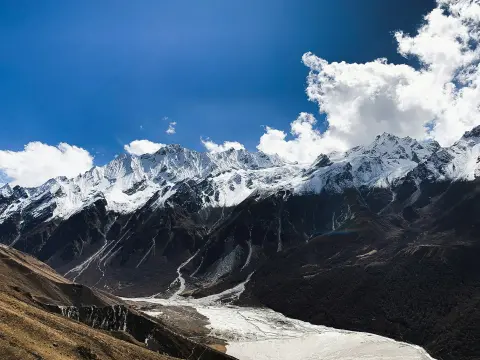
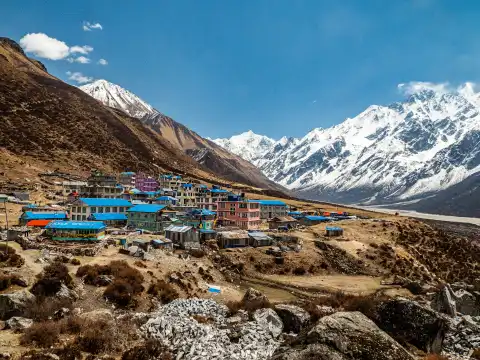
The Tamang Heritage Trail Trek is one of Nepal’s most culturally immersive and less-crowded trekking routes, located north of Kathmandu near the Langtang region. This trek offers a perfect blend of authentic Tamang culture, Himalayan scenery, and traditional village life. Organized by Nepal Everest Trek, the journey takes trekkers through scenic hills, terraced farmland, alpine forests, and historic Tamang settlements such as Gatlang, Tatopani, Thuman, and Briddhim. Unlike commercialized trekking routes, this trail preserves genuine mountain traditions, making it ideal for travelers seeking meaningful cultural experiences.
The trek begins with a scenic drive from Kathmandu to Syabrubesi, followed by daily hikes through culturally rich villages and peaceful landscapes. One of the major highlights is Tatopani, known for its natural hot springs, where trekkers can relax and rejuvenate. Another key attraction is the crossing of Nagthali Bhyang (3,165m), which offers breathtaking panoramic views of Langtang Lirung, Ganesh Himal, Sanjen Himal, and even parts of Tibet on a clear day. The warm hospitality of the Tamang people, traditional stone houses, prayer flags, monasteries, and ancient customs create a memorable trekking experience.
The Tamang Heritage Trail is not just about reaching high altitudes; it is about walking through living history. Trekkers stay in community-run lodges and homestays, helping support local livelihoods. With well-planned logistics, experienced guides, and cultural sensitivity, Nepal Everest Trek ensures a safe, educational, and rewarding adventure suitable for a wide range of trekkers.
Choosing the right season plays a major role in making the Tamang Heritage Trail Trek enjoyable and safe. The best seasons for this trek are spring (March to May) and autumn (September to November). During these months, weather conditions are stable, skies are clear, and mountain views are at their best. Nepal Everest Trek highly recommends these periods for both first-time and experienced trekkers.
Spring is particularly beautiful as the trail comes alive with blooming rhododendrons, magnolias, and wildflowers. The forests around Gatlang and Thuman turn colorful, and the mild temperatures make walking comfortable. Wildlife sightings are also more common during spring. Days are warm while nights remain cool, creating ideal trekking conditions.
Autumn is the most popular trekking season in Nepal due to its dry weather and crystal-clear views. After the monsoon rains, the landscape becomes lush and green, and the air is clean. Major Tamang festivals often occur during this season, allowing trekkers to experience local celebrations, dances, and rituals. The visibility from Nagthali Bhyang is exceptional in autumn, offering some of the best mountain panoramas of the entire trek.
Winter (December to February) is colder but still possible for trekkers who are well prepared. Snow may appear at higher elevations, adding beauty but increasing difficulty. Summer/monsoon (June to August) is the least recommended due to rain, leeches, and slippery trails, though fewer crowds may appeal to adventurous trekkers.
Best Seasons Summary
The Tamang Heritage Trail Trek is considered a moderate-difficulty trek, making it suitable for trekkers with basic fitness and some hiking experience. The trail involves daily walks of 5–7 hours, with gradual ascents and descents rather than extreme altitude gain. The highest point, Nagthali Bhyang (3,165m), is manageable with proper acclimatization, and serious altitude sickness is rare. Nepal Everest Trek designs the itinerary to allow enough rest and adaptation time.
Although the trek does not require technical climbing skills, trekkers should be prepared for stone staircases, uneven trails, and occasional steep sections. Good physical conditioning, comfortable hiking boots, and mental readiness significantly enhance the experience. The cultural focus of the trek also makes the walking feel more rewarding, as each village offers something unique.
Transportation plays an important role in this adventure. The journey starts with a 7–8 hour drive from Kathmandu to Syabrubesi via Trishuli Bazaar and Dhunche. Roads are scenic but can be bumpy, especially during the monsoon season. Nepal Everest Trek arranges transportation by private jeep or tourist bus, depending on group size and comfort preference. The return drive from Syabrubesi to Kathmandu concludes the trek.
Despite road conditions, the overall logistics are smooth and well-managed. With experienced guides, porters, and reliable transport arrangements, trekkers can focus on enjoying the landscapes and culture rather than worrying about logistics.
Difficulty & Transport Overview
Food and accommodation along the Tamang Heritage Trail Trek reflect the simplicity and warmth of mountain life. Most accommodations are teahouses or community-run homestays, offering basic but comfortable rooms with twin beds, blankets, and shared bathrooms. Staying in local homes allows trekkers to experience authentic Tamang hospitality. Nepal Everest Trek carefully selects clean and reliable lodges to ensure comfort and safety.
Meals are freshly prepared using locally sourced ingredients. Typical meals include Dal Bhat (rice, lentils, vegetables), noodles, soups, momos, potatoes, chapati, eggs, and Tibetan bread. Dal Bhat is especially popular among trekkers because it is nutritious and often comes with unlimited refills. In higher villages like Thuman and Briddhim, you may also enjoy traditional Tamang dishes and homemade yak cheese.
While food options are simpler than in major trekking routes, they are healthy and filling. Tea, coffee, and herbal drinks are widely available. Meat is limited at higher elevations and usually not recommended due to freshness concerns. Special dietary needs can often be accommodated with advance notice through Nepal Everest Trek.
Electricity and hot showers may be available for an extra cost in some villages. The focus, however, is on cultural connection rather than luxury. The welcoming smiles, warm meals, and traditional houses make accommodation a memorable part of the journey.
Food & Stay Highlights
To trek the Tamang Heritage Trail, trekkers must obtain specific permits required by the Nepalese government. These permits ensure safety, environmental protection, and support for local communities. Nepal Everest Trek handles all permit arrangements, allowing trekkers to enjoy a hassle-free experience.
The primary permit required is the Langtang National Park Entry Permit, as the trail lies within the national park area. This permit helps fund conservation efforts and protects wildlife and natural resources. Another essential document is the TIMS Card (Trekkers’ Information Management System), which helps authorities track trekkers for safety and rescue purposes.
Permits can be obtained in Kathmandu or through authorized trekking agencies. Independent trekkers may find the process confusing, which is why traveling with Nepal Everest Trek is beneficial. The company ensures all paperwork is completed correctly before departure, saving time and avoiding legal issues.
Trekkers should carry their permits at all times, as they may be checked at entry points and villages along the route. Failure to show permits can result in fines or being denied access to the trail. Permit fees are affordable and contribute directly to sustainable tourism development.
Required Permits
Choosing the Tamang Heritage Trail Trek means choosing authenticity, culture, and meaningful travel. Unlike crowded routes such as Everest Base Camp or Annapurna, this trail offers peace, genuine local interaction, and untouched landscapes. Trekkers walk through villages where traditions are still practiced daily, making the experience deeply personal. With Nepal Everest Trek, every step is guided with cultural respect and professional care.
This trek is ideal for travelers who want more than just mountain views. It offers insight into Tamang history, Buddhist practices, and rural Himalayan life. Staying in homestays allows trekkers to directly support local families and community development. The trail also offers stunning views of major Himalayan ranges without extreme altitude challenges.
Nepal Everest Trek stands out for its experienced local guides, responsible tourism approach, and personalized service. Safety, comfort, and cultural awareness are top priorities. Whether you are a beginner trekker, a student traveler, or someone seeking a quieter Himalayan journey, this trek provides excellent value and unforgettable memories.
By choosing this trek, you contribute to sustainable tourism while enjoying one of Nepal’s most culturally rich regions.
Why This Trek Stands Out
Clothing
Handwear
Footwear
Gear
Miscellaneous
The Tamang Heritage Trail Trek is considered a moderate trek, suitable for travelers with a reasonable level of fitness. The trail includes gradual ascents and descents, village walks, and some steep sections, but nothing technically difficult. Trekkers should be prepared for 4–6 hours of walking per day on uneven terrain. Nepal Everest Trek provides detailed guidance before the trek, including fitness tips, acclimatization advice, and daily support from experienced guides to ensure safety and comfort for all participants, including beginners with trekking experience.
The full Tamang Heritage Trail Trek generally takes 9 to 10 days, depending on your pace and itinerary. The trek starts in Syabrubesi and passes through traditional Tamang villages, forests, and scenic ridges before returning to Kathmandu. With the support of Nepal Everest Trek, trekkers can enjoy a well-planned route with rest days, cultural exploration, and breathtaking scenery, ensuring a fulfilling experience without rushing. The itinerary includes overnight stays in teahouses or lodges along the trail, offering comfort and local hospitality.
Yes, the Tamang Heritage Trail is suitable for beginners who have a reasonable level of fitness. The trail is well-marked, with moderate elevation changes and no technical climbing involved. Daily trekking hours are manageable, usually ranging from 4–6 hours, allowing beginners to adapt comfortably. Nepal Everest Trek provides experienced guides and porters to assist trekkers, giving extra support for those new to Himalayan trekking. With proper preparation, beginners can enjoy the rich cultural encounters, scenic landscapes, and peaceful atmosphere that the trail offers.
Physical preparation is important for a comfortable trek. Trekkers should focus on cardiovascular fitness, strength training, and endurance exercises at least 6–8 weeks before departure. Walking or hiking on uneven terrain with a loaded backpack can help simulate trekking conditions. Nepal Everest Trek also provides detailed pre-trek advice, including recommended exercises, packing tips, and altitude acclimatization guidance. Mental preparation is equally important, as some days involve steady climbs or long hours of walking through forests and villages.
The Tamang Heritage Trail is rich in cultural experiences, allowing trekkers to interact with the Tamang community, one of Nepal’s oldest ethnic groups. You will see traditional stone houses, monasteries, Buddhist stupas, and prayer flags. Festivals, local music, and dances may also be observed depending on the time of year. Nepal Everest Trek encourages cultural immersion, providing opportunities to visit villages, learn about Tamang traditions, and experience local cuisine and hospitality. The trail is as much about culture as it is about trekking and scenic beauty.
The best time to trek the Tamang Heritage Trail is during the spring (March to May) and autumn (September to November) seasons. During these months, the weather is generally clear, with moderate temperatures and excellent visibility of the surrounding mountains. Spring also offers beautiful rhododendron blooms along the trail, while autumn provides crisp skies and stable trekking conditions. Nepal Everest Trek recommends avoiding the monsoon season (June to August) due to heavy rains that can make trails slippery and increase the risk of landslides. Winter (December to February) is also possible but colder at higher elevations.
Yes, trekkers are required to have a TIMS card (Trekkers’ Information Management System) and entry permits for Langtang National Park, which the trail passes through. Nepal Everest Trek takes care of all necessary permits on your behalf before the trek begins, ensuring a smooth start to your adventure. These permits are essential for both your safety and environmental protection, allowing park authorities to manage trekking activities and conserve the natural and cultural heritage along the trail.
Along the Tamang Heritage Trail, accommodation is primarily in cozy teahouses and lodges run by local families. Rooms are usually simple, with basic bedding, blankets, and shared or private bathrooms depending on the location. Nepal Everest Trek carefully selects lodges that provide clean, safe, and culturally immersive stays. Staying in local villages also gives trekkers the opportunity to experience Tamang culture firsthand, enjoy homemade meals, and interact with local families, which is one of the highlights of the trail.
Meals during the trek are usually a combination of local Nepali dishes and familiar western options, including rice, noodles, lentil soup (dal bhat), vegetables, and occasional meat dishes. Breakfast, lunch, and dinner are served at lodges, and Nepal Everest Trek ensures hygienic preparation of all meals. Trekkers can also try local specialties like momo (dumplings) or thukpa (noodle soup). The company accommodates dietary restrictions if informed in advance, making sure that vegetarian, vegan, or other special dietary needs are met during the journey.
Packing appropriately is essential for comfort and safety. Key items include sturdy trekking boots, warm layers, waterproof jackets, gloves, hats, sunglasses, and a daypack. Trekking poles, a water bottle, and personal medications are also recommended. Nepal Everest Trek provides a detailed packing list tailored to the season and trail conditions, ensuring trekkers are prepared for varying weather and elevation changes. Lightweight clothing for warm days, warm layers for chilly nights, and a sense of adventure are equally important for a successful journey.
| No of people | Price per person |
|---|---|
| 1 - 1 | $805 |
| 2 - 4 | $695 |
| 5 - 9 | $680 |
| 10 - 15 | $665 |