
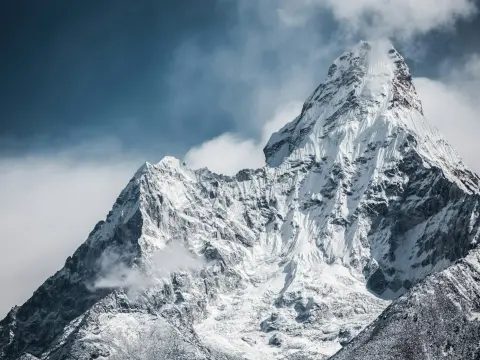
The Everest Three Pass Trek, offered by Nepal Everest Trek, is one of the most adventurous and rewarding trekking experiences in the world. This trek combines three challenging high passes—Kongma La (5,535 m), Cho La (5,420 m), and Renjo La (5,360 m)—allowing trekkers to explore the hidden corners of the Everest region beyond the typical trekking routes. Along the way, travelers are treated to spectacular views of the world’s tallest peaks including Mount Everest, Lhotse, Makalu, Cho Oyu, and Ama Dablam. The trek also offers opportunities to visit the famous Everest Base Camp and the pristine Gokyo Lakes, giving trekkers a combination of cultural and natural experiences.
The journey starts with a flight from Kathmandu to Lukla, and from there, trekkers pass through iconic villages such as Namche Bazaar, Tengboche, Dingboche, and Lobuche. You will experience Sherpa culture, visit ancient monasteries, and witness the unique Himalayan landscapes. The trek is ideal for adventure seekers, nature lovers, and those looking for a physically and mentally rewarding challenge.
This trek is perfect for those who want to push their limits while enjoying the ultimate Himalayan adventure. With Nepal Everest Trek, travelers get expert guidance, well-organized logistics, and local support throughout the journey.
The Everest Three Pass Trek is best undertaken during the pre-monsoon (spring) and post-monsoon (autumn) seasons, which are generally from March to May and late September to November. During these periods, the weather is more stable, skies are clear, and the mountains are at their most photogenic. Snow is present at the high passes, adding a sense of adventure, but the trails are usually safe and manageable for experienced trekkers. Spring brings blooming rhododendrons, lush greenery, and moderate temperatures in the lower elevations. Autumn offers crisp air, clear skies, and spectacular views of the snow-capped peaks.
The monsoon season (June to August) is generally not recommended due to heavy rainfall, slippery trails, and the risk of landslides. Winter months (December to February) are extremely cold with heavy snow at high passes, which increases the risk of altitude sickness and makes the trek more technically challenging.
Seasonal Considerations:
Choosing the right season ensures a safe and enjoyable experience, allowing trekkers to fully appreciate the breathtaking scenery, rich Sherpa culture, and challenging passes of the Everest region with Nepal Everest Trek guiding the way.
The Everest Three Pass Trek is considered a strenuous and physically demanding trek, suitable for trekkers with prior high-altitude trekking experience. The journey involves trekking up to 5,550 meters, crossing three high passes, and acclimatizing properly to avoid altitude sickness. Daily walking distances typically range from 5 to 9 hours, with steep ascents and descents. Trekkers must be prepared for cold temperatures, rugged trails, and long hours of walking, especially at high elevations.
Transportation for the trek begins with a domestic flight from Kathmandu to Lukla, which is considered one of the most scenic but thrilling flights in the world. From Lukla onwards, trekking is the only way to reach remote villages, high passes, and base camps. Internal flights may also be used to return to Kathmandu from Lukla at the end of the trek, ensuring comfort and safety.
Difficulty and Transportation Highlights:
Nepal Everest Trek provides trained guides, porters, and logistical support, ensuring that trekkers are well-prepared for both the physical and technical challenges of this epic adventure.
Food and accommodation during the Everest Three Pass Trek are generally provided in tea houses and lodges, which are well-equipped for trekkers. Meals are typically a mix of Nepali, Tibetan, and Western cuisine, with options such as dal bhat, noodles, soups, pasta, and momo. It’s recommended to maintain a high-calorie diet while trekking at high altitudes to sustain energy and body warmth. Hot beverages like tea, coffee, and soups are readily available and essential for staying hydrated.
Accommodation ranges from basic to moderately comfortable, with shared or private rooms depending on availability. Facilities may be limited at higher elevations, but lodges usually provide blankets, basic bedding, and charging options. Trekkers should be prepared for colder nights at high altitudes and bring sleeping bags suitable for sub-zero temperatures.
Food and Accommodation Highlights:
With Nepal Everest Trek, trekkers receive guidance on the best lodges, meal options, and hydration practices, ensuring a comfortable and nourishing experience while focusing on the adventure of the high passes.
Trekking in the Everest region requires several official permits, which are strictly enforced by the Nepal government. These include the Sagarmatha National Park Permit and the Khumbu Pasang Lhamu Rural Municipality Permit, both essential for accessing trekking routes, villages, and protected areas. Additionally, trekkers need to carry a TIMS (Trekkers’ Information Management System) Card, which is used for safety and monitoring purposes.
Nepal Everest Trek assists trekkers in obtaining all necessary permits, ensuring compliance with local regulations. The permits also contribute to conservation and the welfare of local communities in the Everest region. Trekkers must carry valid photo ID, such as a passport, for verification while obtaining permits and at checkpoints during the trek.
Key Permits:
These permits help protect the fragile environment, preserve Sherpa culture, and ensure trekkers have a safe and responsible adventure. Nepal Everest Trek manages all paperwork to make the process seamless.
Choosing the Everest Three Pass Trek with Nepal Everest Trek guarantees a once-in-a-lifetime Himalayan adventure. This trek offers a combination of challenging high passes, breathtaking scenery, and unique cultural experiences. Trekkers experience less crowded trails compared to the standard Everest Base Camp trek, allowing a more immersive and intimate encounter with nature and local communities.
The trek is carefully designed to allow proper acclimatization, reducing the risk of altitude sickness while maximizing scenic and cultural experiences. Nepal Everest Trek provides professional guides, experienced porters, and high-quality logistics, ensuring safety, comfort, and local expertise throughout the journey. The team is trained in first aid, altitude management, and emergency protocols, giving trekkers confidence and peace of mind.
Reasons to Choose Everest Three Pass Trek with Nepal Everest Trek:
Whether you are a seasoned trekker or an adventurous traveler seeking a new challenge, this trek promises an unforgettable journey across some of the highest and most stunning landscapes on Earth. Nepal Everest Trek ensures your adventure is safe, well-supported, and truly remarkable.
Clothing
Handwear
Footwear
Gear
Miscellaneous
The Everest Three Pass Trek, organized by Nepal Everest Trek, is an advanced trekking route in the Khumbu region of Nepal that combines the crossing of three high Himalayan passes: Kongma La, Cho La, and Renjo La. It offers trekkers a rare opportunity to experience Everest Base Camp, Gokyo Lakes, and the pristine glaciers of the region in a single journey. This trek is considered unique because it combines high-altitude adventure, cultural experiences in Sherpa villages, and panoramic views of some of the tallest peaks in the world, making it ideal for those seeking both challenge and breathtaking scenery.
This trek is categorized as strenuous due to high altitudes, steep ascents, and multiple passes above 5,000 meters. Trekkers should have good physical fitness, stamina, and previous trekking experience at high altitude is highly recommended. Cardiovascular endurance, leg strength, and the ability to walk for several hours per day are essential. Nepal Everest Trek also suggests training with long hikes carrying a backpack and acclimatization hikes to ensure the body adapts well to the altitude, minimizing the risk of altitude sickness and ensuring a more enjoyable trek.
The highest point of the Everest Three Pass Trek is the Cho La Pass at 5,420 meters, followed closely by Renjo La Pass at 5,360 meters and Kongma La Pass at 5,535 meters. In addition, trekkers can climb Kala Patthar near Everest Base Camp, which rises to 5,545 meters, offering unparalleled panoramic views of Mount Everest and surrounding peaks. Nepal Everest Trek emphasizes proper acclimatization and gradual ascent to these altitudes to ensure safety and to reduce the risk of altitude sickness, making high-altitude preparation critical for all participants.
Altitude sickness is a serious risk on this trek due to passes above 5,000 meters. Nepal Everest Trek emphasizes the importance of acclimatization days, gradual ascent, staying hydrated, and listening to your body’s warning signs. Symptoms like headache, nausea, dizziness, or shortness of breath require immediate attention, and guides are trained to manage mild cases. Severe symptoms may require descending to lower altitude. Taking rest days, avoiding alcohol, and eating light meals are key preventive measures. All trekkers are briefed on altitude safety before starting the trek to ensure a secure experience.
The Everest Three Pass Trek is strenuous, involving long days of trekking over rough terrain, glacial moraine, and steep passes. Daily trekking ranges from 5 to 9 hours depending on altitude, terrain, and acclimatization schedules. Trekkers need endurance, mental resilience, and proper pacing to complete the trek safely. Nepal Everest Trek carefully plans daily itineraries to balance challenge with adequate rest, including acclimatization days and moderate treks on rest days. Trekking times also consider weather conditions and altitude, ensuring that trekkers can enjoy the experience while minimizing fatigue and risk of altitude-related issues.
The ideal seasons for this trek are pre-monsoon (March to May) and post-monsoon (late September to November). During these months, the weather is generally stable with clear skies, providing spectacular views of Everest, Lhotse, Makalu, and Ama Dablam. Spring brings vibrant rhododendron blooms, while autumn offers crisp air and stunning sunsets. Winter is cold and risky due to snow on the high passes, and monsoon season (June to August) brings heavy rainfall, slippery trails, and increased chances of landslides. Nepal Everest Trek always advises trekking during optimal seasons for safety and visibility.
Yes, multiple permits are required for the Everest Three Pass Trek. Trekkers need the Sagarmatha National Park Entry Permit and Khumbu Pasang Lhamu Rural Municipality Permit, as well as the TIMS (Trekkers’ Information Management System) Card. These permits are mandatory for trekking in the Khumbu region and help regulate tourism while supporting local conservation efforts. Nepal Everest Trek assists all trekkers with obtaining these permits in advance, ensuring a smooth and hassle-free start to the trek without delays or complications at checkpoint entrances.
Accommodation on the Everest Three Pass Trek is primarily in teahouses, which are small lodges run by local families. These teahouses provide basic facilities including beds, blankets, and meals, but facilities vary depending on altitude and remoteness. Hot showers and electricity are limited at higher elevations. Nepal Everest Trek ensures trekkers stay in clean, comfortable teahouses and helps arrange any special requests. Staying in teahouses also allows trekkers to experience Sherpa culture, interact with locals, and enjoy authentic Nepalese food while surrounded by stunning mountain scenery.
The food along the trek consists mainly of traditional Nepalese and Tibetan dishes, including dal bhat (rice and lentils), momo (dumplings), noodles, soups, and porridge. Most teahouses also offer snacks, biscuits, and hot drinks such as tea, coffee, and hot chocolate. At higher altitudes, meals are slightly more expensive and simple due to logistical challenges. Nepal Everest Trek advises trekkers to maintain a balanced diet to ensure proper energy levels and hydration, while also enjoying local flavors, making the culinary aspect of the trek both necessary and delightful.
While independent trekking is technically possible, it is highly recommended to hire a guide or join a trekking company like Nepal Everest Trek. The trek involves high passes, glacial crossings, and remote villages where expert guidance ensures safety and efficient navigation. Guides provide logistical support, arrange accommodation, carry permits, and help with altitude management. They also enrich the trek with cultural insights, local knowledge, and real-time weather updates. For high-altitude treks like this, having a trained guide significantly improves safety, comfort, and the overall trekking experience.
The Everest Three Pass Trek package with Nepal Everest Trek typically includes airport transfers, domestic flights, all trekking permits, experienced guides and porters, teahouse accommodation, meals during the trek, and pre-trek briefings. Additional services may include oxygen support, first aid kits, and equipment rental assistance. The package ensures that trekkers can focus entirely on the adventure without worrying about logistics or safety. Customized packages may also include sightseeing in Kathmandu, insurance arrangements, and support for special dietary requirements, making it a comprehensive and hassle-free trekking experience.
Packing for the Everest Three Pass Trek requires careful consideration due to high altitude and changing weather. Essential items include warm clothing, waterproof jackets, hiking boots, trekking poles, gloves, hats, sunglasses, and a sleeping bag. Layered clothing is important for varying temperatures during day and night. A small daypack is used for daily essentials, while porters carry heavier items. Nepal Everest Trek provides a detailed packing list and guidance on weight limits to ensure safety, comfort, and convenience, helping trekkers avoid overpacking while remaining fully prepared for the Himalayan environment.
| No of people | Price per person |
|---|---|
| 1 - 1 | $1,545 |
| 2 - 4 | $1,440 |
| 5 - 9 | $1,425 |
| 10 - 15 | $1,410 |