★★ Join our fixed departure treks, and get discounts! ★★
Nepal Everest Trek
0
Join our fixed departure groups.

Gokyo Lake Trek

  • Best price guaranteed
  • No booking fees
  • Book Now, Pay Later
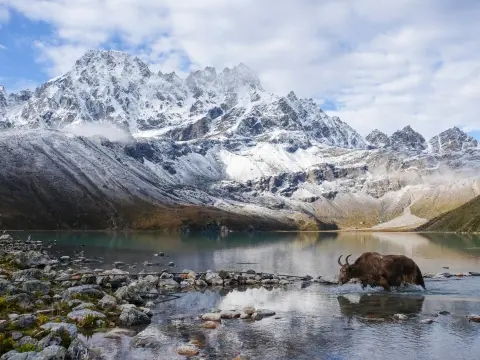
Yak and the beautiful Gokyo Lake, Nepal
Days
12
  • Best price guaranteed
  • No booking fees
  • Book Now, Pay Later
Share
Print
Max. Elevation
5,357 m / 17,575 ft
Group size
Min 1+
Transportation
Domestic flight and all ground transportation as per itinerary
Best Season
Mar - May, Sep - Nov
Starts at / Ends at
Kathmandu / Kathmandu
Accomodation
Hotel in Kathmandu and Tea House / Lodge during the trek
Meals
All meals during the trek

Highlights

  • Scenic flight from Kathmandu to Lukla over the Himalayas
  • Trek through Sherpa villages like Namche Bazaar and Dole
  • Explore the turquoise Gokyo Lakes, including the 3rd and 4th lakes
  • Hike to Gokyo Ri (5,357 m) for panoramic views of Everest, Lhotse, Makalu, and Cho Oyu
  • Visit ancient monasteries and experience Sherpa culture
  • Cross glacial moraines and alpine landscapes
  • Stunning sunrise and sunset views over the Himalayas
  • Opportunity for nature photography and wildlife spotting in Sagarmatha National Park

Overview

The Gokyo Lake Trek is one of the most scenic and less crowded trekking routes in the Everest region of Nepal. Unlike the classic Everest Base Camp Trek, the Gokyo route offers breathtaking views of turquoise glacial lakes, majestic mountains, and serene landscapes. The trek follows the Dudh Koshi river valley before ascending to the high-altitude Gokyo region, passing through traditional Sherpa villages and lush forests. One of the highlights of the trek is the hike to Gokyo Ri (5,357 m), which provides panoramic views of the Everest, Lhotse, Makalu, and Cho Oyu peaks.

This trek is ideal for adventure seekers who want to experience the natural beauty of the Himalayas without the heavy crowd of the main Everest Base Camp route. The trek also provides cultural insight into the Sherpa lifestyle, monasteries, and local traditions. You will trek through Namche Bazaar, the hub of the Khumbu region, and experience gradual acclimatization as you ascend through Dole, Machhermo, and finally Gokyo. The turquoise lakes, particularly the third and fourth Gokyo lakes, are glacial and considered sacred by locals.

  • Scenic flight from Kathmandu to Lukla
  • Visit traditional Sherpa villages and monasteries
  • Hike to Gokyo Ri for panoramic mountain views
  • Explore glacial Gokyo Lakes
  • Less crowded and peaceful trekking experience

Best Season for Gokyo Lake Trek

The Gokyo Lake Trek is best undertaken during spring (March to May) and autumn (September to November). During these seasons, the skies are generally clear, providing stunning views of the Himalayan peaks. Spring brings blooming rhododendrons and alpine flowers, making the trails colorful and vibrant. Autumn, on the other hand, offers stable weather and crisp air, which is ideal for photography and trekking at higher altitudes.

Winter treks (December to February) are possible but challenging due to heavy snowfall and very low temperatures, especially above 4,000 meters. Monsoon season (June to August) is not recommended because the trails can become slippery and dangerous, and clouds often obstruct mountain views. Temperatures vary depending on altitude, with daytime temperatures ranging from 10°C to 20°C at lower elevations and dropping to below freezing at higher camps.

Best season tips:

  • Spring: Blooming rhododendrons, moderate temperatures
  • Autumn: Clear skies, excellent visibility
  • Winter: Suitable only for experienced trekkers
  • Avoid Monsoon: Risk of landslides and poor visibility

Gokyo Lake Trek Difficulty and Transportation

The Gokyo Lake Trek is considered a moderate to strenuous trek due to the high altitude and several days of continuous uphill trekking. Trekkers should have a reasonable level of fitness and endurance for walking 5–7 hours daily. The highest point of the trek, Gokyo Ri (5,357 m), requires a steep ascent but is non-technical. Proper acclimatization is crucial to avoid altitude sickness, which is why the itinerary includes acclimatization days at Namche Bazaar and Machhermo.

Transportation:

  • Flight: Kathmandu to Lukla (short scenic flight over the Himalayas)
  • Trekking: On foot through villages, forests, and alpine landscapes
  • Return: Lukla to Kathmandu by flight
  • Difficulty factors:
  • Long trekking hours (5–7 hours/day)
  • High-altitude trails above 4,000 meters
  • Steep ascents, especially to Gokyo Ri
  • Limited accessibility; trekking is the only mode of transport

Food and Accommodation for Gokyo Lake Trek

Along the Gokyo Lake Trek, accommodation is mostly in teahouses and lodges. These are basic but comfortable, providing warm rooms and beds. Showers may be limited at higher altitudes, and hot water is sometimes available at an additional cost. The teahouses also serve as social hubs where trekkers can meet others and enjoy local culture.

Food on the trek is a mix of Nepali and Western cuisine. Popular items include dal bhat (rice and lentil soup), noodles, soups, pasta, and momo (dumplings). Meals are freshly prepared, and while prices increase with altitude, the quality and warmth of the food help trekkers stay energized. Trekkers are advised to carry snacks, energy bars, and water purification tablets to supplement meals and maintain hydration during long trekking days.

Food and lodging highlights:

  • Teahouses and lodges along all main stops
  • Hot meals and drinks available
  • Rooms with basic bedding and shared bathrooms
  • Carry personal snacks and water purification options

Gokyo Lake Trek Permits

Trekking in the Gokyo region requires two main permits:

  • Sagarmatha National Park Entry Permit (SNP): Required for all trekkers entering the Everest region. Fees vary for foreigners.
  • Khumbu Pasang Lhamu Rural Municipality Permit (KPL): Specific to the Khumbu region and trekking trails including Gokyo.

These permits are essential for legal trekking and support conservation efforts in the Sagarmatha National Park. They can be obtained in Kathmandu before the trek or in Lukla before starting the trek. Trekkers are also required to carry a valid passport with at least six months validity for permit registration.

Permit highlights:

  • SNP Permit: Entry to Sagarmatha National Park
  • KPL Permit: Required for local trekking trails
  • Register with local authorities in Lukla
  • Carry passport copies for verification

Why Choose Gokyo Lake Trek with Nepal Everest Trek

Choosing Nepal Everest Trek for your Gokyo Lake adventure ensures a well-organized and safe trekking experience. Our team provides expert guides who are knowledgeable about high-altitude trekking, local culture, and safety protocols. From the scenic flight to Lukla to exploring the turquoise Gokyo lakes and summiting Gokyo Ri, our itinerary balances adventure with acclimatization and comfort.

We prioritize safety, comfort, and cultural experience. Trekkers are accompanied by experienced guides and porters who handle logistics, accommodation, and meals. Nepal Everest Trek also offers personalized services, including equipment guidance, emergency support, and flexibility in itineraries based on fitness levels and preferences. Our goal is to make your Gokyo Lake Trek unforgettable, combining breathtaking scenery, local interaction, and high-altitude trekking expertise.

Why choose Nepal Everest Trek:

  • Experienced and licensed trekking guides
  • Full logistical support including accommodation and meals
  • Focus on safety and acclimatization
  • Small group sizes for a personalized experience
  • Explore lesser-known trails for peaceful trekking

Trip Itinerary

Upon arrival at Tribhuvan International Airport in Kathmandu, you will be warmly welcomed by our representative from Nepal Everest Trek and transferred to your hotel. Take some time to relax and recover from your flight, while soaking in the vibrant atmosphere of the bustling capital city. In the evening, there will be a short briefing about the Gokyo Lake Trek, including information on gear, safety, and cultural etiquette. This is also a great opportunity to explore local markets and try some authentic Nepali cuisine.
Today starts with an early morning scenic flight from Kathmandu to Lukla, offering breathtaking views of snow-capped Himalayan peaks and deep valleys. Upon landing in Lukla, the trek begins immediately with a gentle descent to the village of Phakding. The trail passes through charming Sherpa villages, prayer flags, and lush pine forests along the Dudh Koshi River. Trekking through suspension bridges and quaint settlements gives a real taste of mountain life. Overnight stay in Phakding provides an early acclimatization opportunity.
The trek today gradually ascends through picturesque forests of rhododendron and pine, with frequent glimpses of the majestic Himalayan peaks. You will cross several suspension bridges over roaring rivers, including the iconic Hillary Bridge. As you approach Namche Bazaar, the gateway to the high Himalayas, the terrain becomes steeper. Namche is a bustling Sherpa town famous for its colorful markets and vibrant local culture. Arriving in the late afternoon allows time to explore the town, visit local shops, and enjoy views of Ama Dablam in the distance.
Acclimatization is crucial to avoid altitude sickness, so today is dedicated to exploring the surroundings of Namche Bazaar. A moderate hike to the Everest View Hotel or the nearby hills provides panoramic views of Everest, Lhotse, and Ama Dablam. You can also visit local monasteries, the Sherpa Culture Museum, and the market to observe traditional crafts and lifestyles. The day allows your body to adjust to the higher altitude, ensuring a safer journey ahead. In the evening, enjoy a warm meal and prepare for the next stage of trekking.
Leaving Namche Bazaar behind, the trail ascends steadily through pine forests and open ridges. You will pass small settlements and prayer wheels, witnessing Sherpa life up close. The landscape gradually changes to alpine terrain, with the first views of the Gokyo Valley and distant glaciers. The climb to Dole is moderate but demands careful pacing to conserve energy for higher altitudes. Upon arrival, the village of Dole offers basic tea houses with spectacular views of surrounding peaks, giving trekkers a chance to relax and soak in the serene Himalayan environment.
Today’s trek continues through a high-altitude landscape, where the terrain becomes rocky and sparse vegetation dominates. The trail offers stunning vistas of the Ngozumpa Glacier, one of the largest glaciers in the region. Machhermo, a small alpine village, is reached by late afternoon. The village serves as a crucial acclimatization stop before the final push to Gokyo. You will notice a change in weather and thinner air, so it’s essential to take it slow. Evening offers an opportunity to enjoy the calmness of the high Himalayas and prepare for tomorrow’s trek.
The trek today is both challenging and rewarding, as you ascend towards the stunning Gokyo Lakes. The trail winds through glacial moraines with turquoise lakes reflecting snow-capped peaks. Reaching Gokyo village is a remarkable achievement, providing spectacular views of the surrounding Himalayas. In the afternoon, an optional hike to Gokyo Ri offers panoramic views of Everest, Cho Oyu, and other high peaks. The sunset over the mountains creates a mesmerizing scene. This day is unforgettable, as the combination of high-altitude trekking, pristine lakes, and breathtaking vistas makes Gokyo a true Himalayan gem.
After a serene morning in Gokyo, take a short trek to the fourth Gokyo Lake, the highest in the valley. The crystal-clear lake offers stunning reflections of nearby peaks, making it perfect for photography and quiet contemplation. After enjoying the views, you descend back to Machhermo, retracing the trail through glacial landscapes and small settlements. The descent is easier on the legs but still requires attention due to rocky terrain. Evening in Machhermo allows time to rest, enjoy a warm meal, and reflect on the incredible natural beauty experienced over the past days.
The trek back to Namche Bazaar is mostly downhill, passing through Dole and other small settlements. The trail offers a fresh perspective of the landscape, with familiar peaks and valleys appearing different from the return journey. Walking through pine forests and crossing suspension bridges, you gradually descend to the bustling streets of Namche. The evening is perfect for exploring local shops, enjoying Nepali cuisine, and interacting with Sherpas. This day allows trekkers to reflect on the high-altitude adventure, relax, and prepare for the final trek to Lukla.
Today marks the final trekking day, descending through scenic villages and terraced fields along the Dudh Koshi River. The trail passes through leafy forests, small tea houses, and suspension bridges, providing several photo opportunities. As you approach Lukla, there’s a feeling of accomplishment and nostalgia for the Himalayan adventure you’ve completed. Upon arrival, you can celebrate with fellow trekkers, rest in the cozy lodges, and enjoy the last evening amidst the beautiful mountains before your flight to Kathmandu.
An early morning flight from Lukla brings you back to Kathmandu, offering spectacular aerial views of the Himalayas one last time. Upon arrival, transfer to your hotel to rest and freshen up. The rest of the day can be spent exploring Kathmandu, visiting UNESCO World Heritage sites like Pashupatinath, Boudhanath Stupa, or the Durbar Squares. In the evening, enjoy a farewell dinner with your trekking group, sharing memories and photos from the Gokyo Lake Trek, and reflecting on the incredible Himalayan adventure you’ve completed with Nepal Everest Trek.
After breakfast at your hotel, you will be transferred to Tribhuvan International Airport for your onward flight. This marks the end of your memorable journey to the Gokyo Lakes and the Everest region. Take with you unforgettable memories of snow-capped peaks, serene alpine lakes, and the warm hospitality of the Sherpa people. Nepal Everest Trek extends its heartfelt farewell, wishing you safe travels and hoping you return to explore more of the Himalayan wonders in the future.
Not satisfied with this itinerary? Make your own.
Plan My Trip

Includes

  • Airport transfers in Kathmandu.
  • Domestic flight and all ground transportation as per itinerary
  • Hotel accommodation in Kathmandu.
  • Teahouse accommodations during the trek.
  • All meals (breakfast, lunch, dinner) during the trek.
  • Sagarmatha National Park entry permit.
  • TIMS (Trekkers' Information Management System) card.
  • Experienced English-speaking trek guide.
  • Porter(s) for luggage (1 per 2 trekkers).
  • Trekking map and group medical kit.
  • Welcome and farewell dinners in Kathmandu.

Doesn't Include

  • International flights to/from Kathmandu.
  • Nepal entry visa fee.
  • Mandatory travel insurance (including emergency rescue).
  • Personal trekking equipment.
  • Personal expenses (laundry, calls, internet, etc.).
  • Alcoholic beverages and bottled water.
  • Additional meals and beverages not specified.
  • Tips for trekking staff.
Why Book with Us?
  • Excellent customer service. Our travel experts are ready to help you 24/7.
  • Best price guaranteed.
  • No credit card or booking fees.
  • 100% financial protection.
  • Environmentally-friendly tours.

Packing List

Clothing

  • Thermal underwear (top and bottom)
  • Moisture-wicking t-shirts (long-sleeved)
  • Moisture-wicking underwear
  • Fleece jacket or pullover
  • Insulated down or synthetic jacket
  • Waterproof, windproof jacket (Gore-Tex or similar)
  • Waterproof, windproof pants (Gore-Tex or similar)
  • Warm beanie or hat
  • Sun hat or cap
  • Neck gaiter or scarf
  • Trekking pants (convertible preferred)
  • Waterproof trousers

Handwear

  • Lightweight gloves (inner)
  • Insulated gloves or mittens (outer)

Footwear

  • Hiking boots (broken in and waterproof)
  • Comfortable camp shoes (e.g., sneakers or sandals)

Gear

  • Trekking backpack (30-40 liters) with waterproof cover
  • Sleeping bag (rated for cold temperatures)
  • Sleeping pad or mattress (insulated)
  • Adjustable trekking poles
  • Insulated water bottles or hydration bladder (2 liters capacity)
  • Travel-sized toiletries
  • Biodegradable soap
  • Quick-dry towel
  • Medications for altitude sickness, pain relief, and common ailments
  • Sun protection cream, wet wipes, and hand sanitizer

Miscellaneous

  • Camera and batteries
  • Notebook and pen
  • Earplugs (for sleeping in lodges)
  • Portable solar charger
  • Headlamp, power bank, and extra batteries

Frequently Asked Questions

General & Essential Info

The standard Gokyo Lake Trek typically takes about 12 days, including arrival in Kathmandu and departure. The trekking distance from Lukla to Gokyo and back via the same route covers approximately 120 kilometers. The journey involves multiple ascents and descents, with the highest point being Gokyo Ri at 5,357 meters. Each day of trekking varies in difficulty and duration, with acclimatization days included in Namche Bazaar and Machhermo to help prevent altitude sickness and ensure a safer, more enjoyable experience.

The Gokyo Lake Trek is considered a moderate to challenging trek due to its high-altitude nature. While you do not need technical climbing skills, good physical fitness, stamina, and prior trekking experience are highly recommended. Trekkers should be able to walk for 5-7 hours per day on uneven terrain, sometimes with steep ascents or descents. Preparing in advance with cardiovascular exercises, hiking practice, and leg-strength workouts can greatly enhance your trekking experience and reduce the risk of altitude sickness.

The highest point on the Gokyo Lake Trek is the summit of Gokyo Ri, which stands at 5,357 meters above sea level. From this vantage point, trekkers enjoy panoramic views of some of the world’s highest peaks, including Mount Everest, Cho Oyu, Makalu, and Lhotse. Reaching this altitude requires careful acclimatization, slow pacing, and adequate hydration. Nepal Everest Trek ensures that itineraries include necessary rest days and gradual ascents to reduce the risk of altitude sickness while allowing trekkers to fully enjoy the stunning Himalayan vistas.

Altitude sickness can affect anyone at elevations above 3,000 meters, and prevention requires careful planning. The Gokyo Lake Trek includes acclimatization days at Namche Bazaar and Machhermo, allowing your body to adjust gradually to higher altitudes. Staying hydrated, maintaining a steady pace, eating properly, and avoiding alcohol or overexertion also reduce risk. Nepal Everest Trek closely monitors trekkers for symptoms of altitude sickness and provides guidance on safe acclimatization practices. In emergencies, descending to lower altitudes remains the most effective remedy for severe symptoms.

Mobile and internet coverage along the Gokyo Lake Trek is limited and mostly available in larger villages like Namche Bazaar, Lukla, or Gokyo, often through satellite connections. The signal may be weak or intermittent, especially in remote areas or during bad weather. Nepal Everest Trek advises trekkers to enjoy the natural surroundings without relying heavily on connectivity, while still providing emergency communication options via guides or satellite phones if necessary. This ensures both safety and a true Himalayan trekking experience disconnected from daily digital distractions.

Weather & Seasons

The ideal time to undertake the Gokyo Lake Trek is during the pre-monsoon (March to May) and post-monsoon (late September to November) seasons. During these months, the weather is generally stable with clear skies, offering breathtaking views of the Himalayan peaks, including Everest, Cho Oyu, and Ama Dablam. Spring brings colorful rhododendron blooms, while autumn provides crisp, clear air. Winter and monsoon seasons are less recommended due to snow, heavy rainfall, and the risk of landslides, which can make trekking dangerous.

Permits, Costs & Booking

Yes, trekking to Gokyo Lakes requires specific permits. Trekkers need the Sagarmatha National Park Permit, which protects the region’s natural and cultural heritage, and the TIMS (Trekkers’ Information Management System) card, which ensures safety tracking of trekkers. Nepal Everest Trek assists in obtaining these permits before the trek, making the process smooth and hassle-free. Carrying these permits at all times during trekking is mandatory, as park authorities may conduct routine checks along the trail, and entry without proper permits is prohibited.

Accommodation & Meals

Accommodation along the Gokyo Lake Trek consists mainly of traditional teahouses or lodges. These provide basic facilities such as a bed, blankets, and meals, with shared bathrooms in most places. Facilities are more limited at higher altitudes, and electricity is often supplied via solar panels. Nepal Everest Trek ensures that all accommodations are clean, comfortable, and located in safe areas. Staying in teahouses also provides a chance to experience Sherpa culture firsthand, interact with locals, and enjoy homemade Nepali cuisine during your high-altitude journey.

Trekkers can enjoy a variety of meals along the Gokyo Lake trail, ranging from traditional Nepali dishes like dal bhat (lentil soup with rice) to Tibetan-style momos (dumplings) and noodles. Tea houses also serve continental dishes such as pasta, omelets, and soups. At higher altitudes, the menu may be limited, but meals are nutritious and sufficient to keep energy levels up. Nepal Everest Trek provides guidance on ordering food suitable for trekking, including ensuring proper hydration and high-calorie meals for endurance and warmth.

Guides, Support & Safety

While it is technically possible to trek independently, hiring a guide is strongly recommended for safety, navigation, and cultural insight. The trail can be confusing at times, and guides help avoid altitude-related risks and emergencies. Nepal Everest Trek provides experienced local guides who are knowledgeable about the terrain, weather conditions, local culture, and emergency procedures. They also enhance the overall experience by sharing fascinating stories about the Himalayas, Sherpa traditions, and natural features along the way, ensuring a safe and memorable adventure.

Preparation & Equipment

Packing for the Gokyo Lake Trek requires preparation for cold, windy, and sometimes wet conditions. Essential items include layered clothing, waterproof jackets, trekking boots, gloves, hats, trekking poles, a sleeping bag, and personal medications. Sun protection such as sunglasses, sunscreen, and lip balm is also important due to the high altitude. Nepal Everest Trek provides a detailed packing list and offers guidance to avoid overpacking while ensuring safety and comfort. Proper gear is crucial for a successful and enjoyable trek in the high Himalayas.
Similar Trips

Everest Base Camp Trek
Difficulty: Moderate
Trending
Trekking in Nepal
5.0
(1)
Everest Base Camp Trek - 15 days
From US$ 1,545
US$ 1,440 Save US$ 105
No of people Price per person
1 - 1 $1,545
2 - 4 $1,440
5 - 9 $1,425
10 - 15 $1,410
Explore
Everest Three Pass Trek
Difficulty: Moderate
Top Rated
Trekking in Nepal
Everest Three Pass Trek - 20 days
From US$ 1,725
US$ 1,570 Save US$ 155
No of people Price per person
1 - 1 $1,725
2 - 4 $1,570
5 - 9 $1,555
10 - 15 $1,540
Explore

Join our Newsletter

Sign up to stay updated with latest offers, recent events and more news.
Art representing various natural and cultutal heritages of Nepal
Plan my Trip Whatsapp Book Now
We use cookies to enhance your experience on our website. By continuing to browse, you agree to our use of cookies.